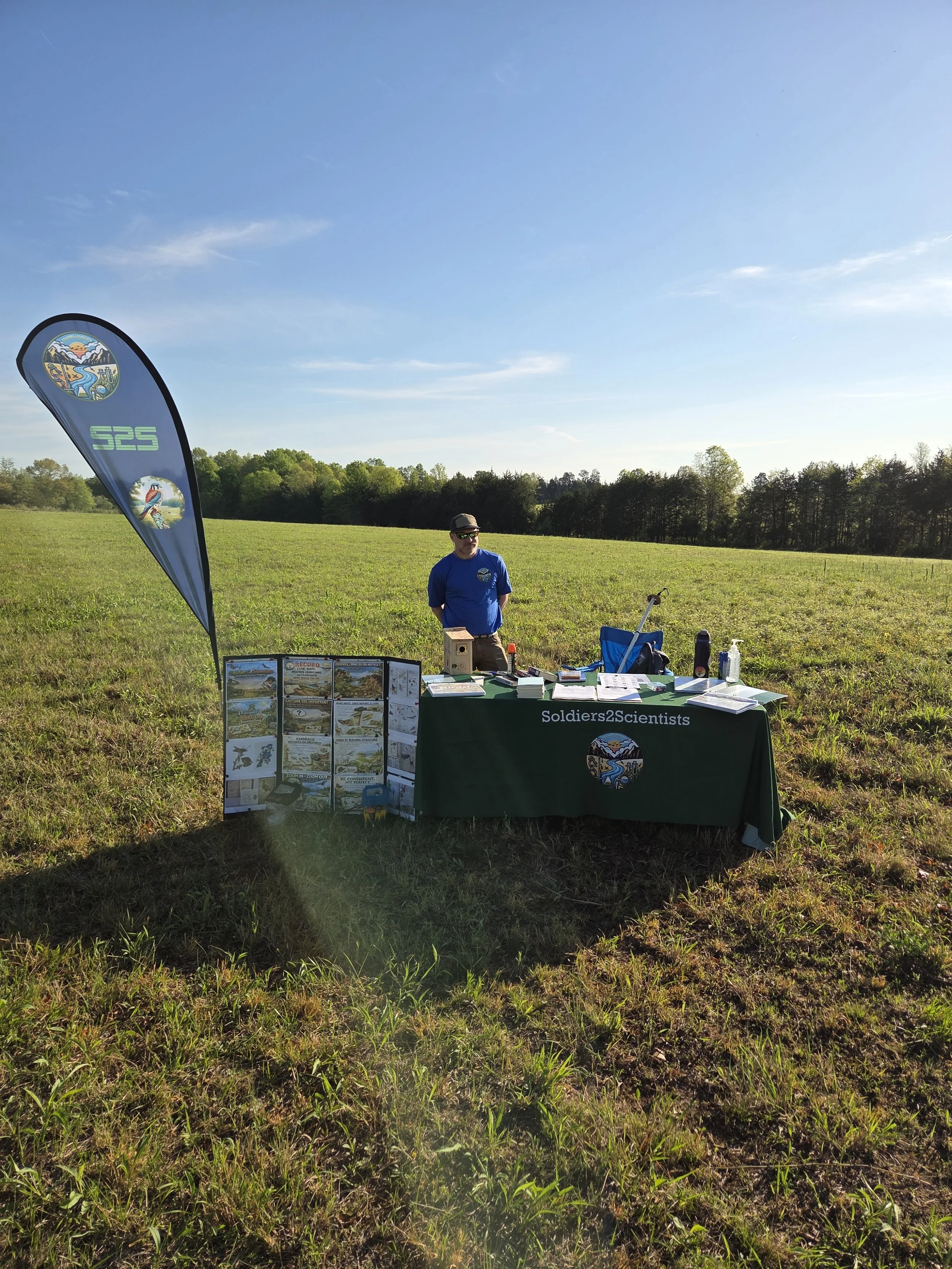
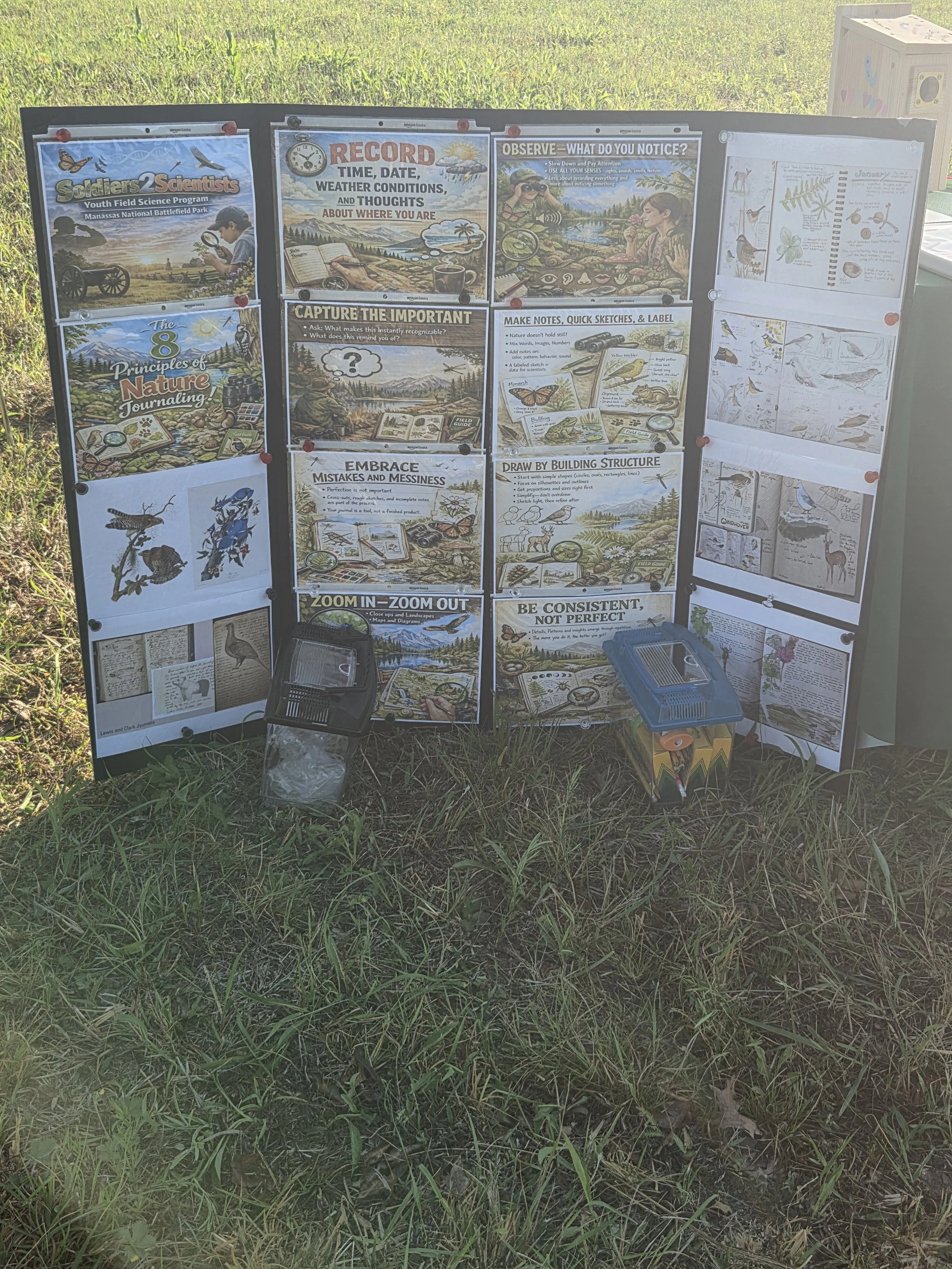
Birding and Ornithology at Manassas! Module 2 of S2S Military Youth Field Science Program
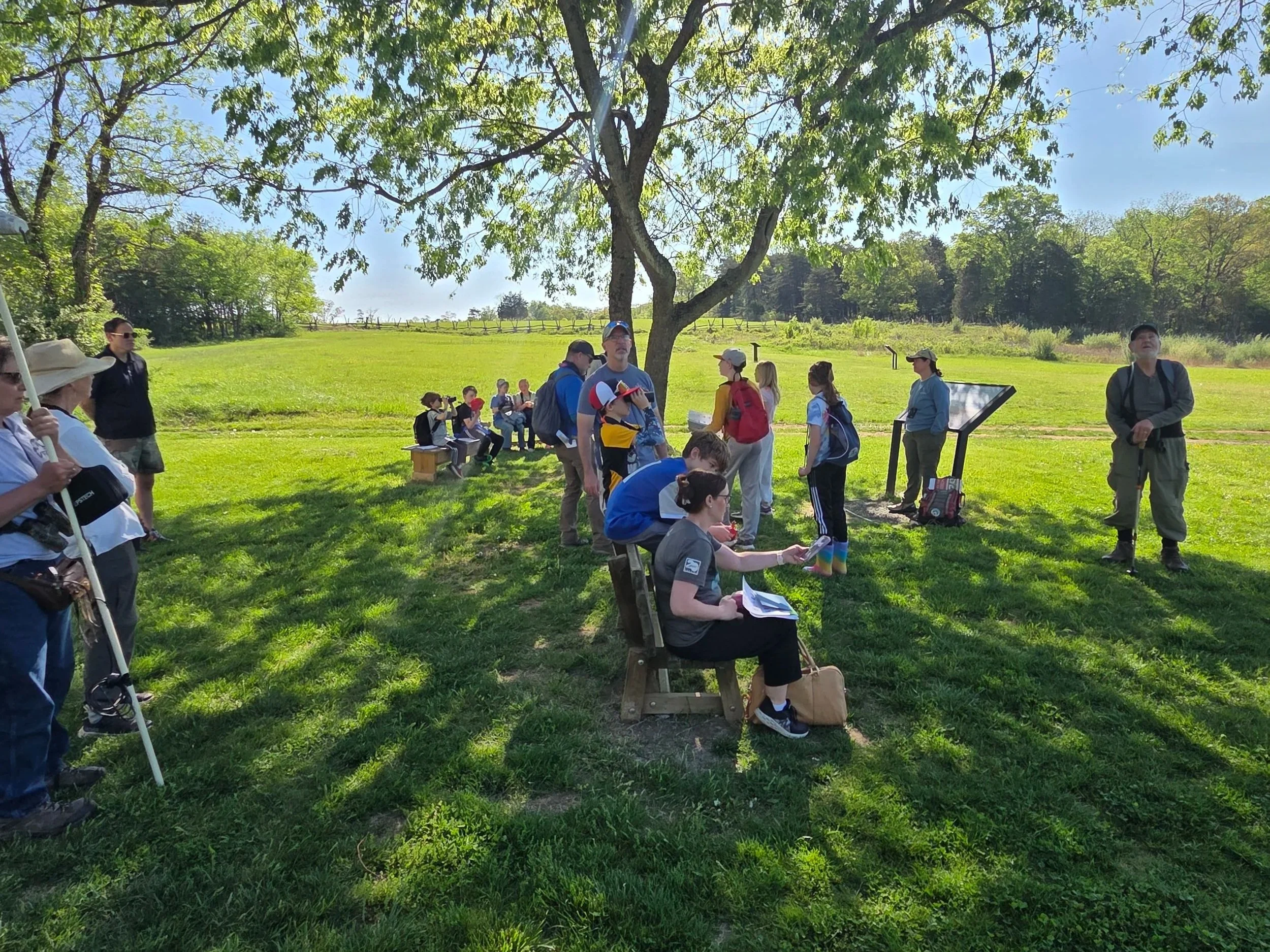
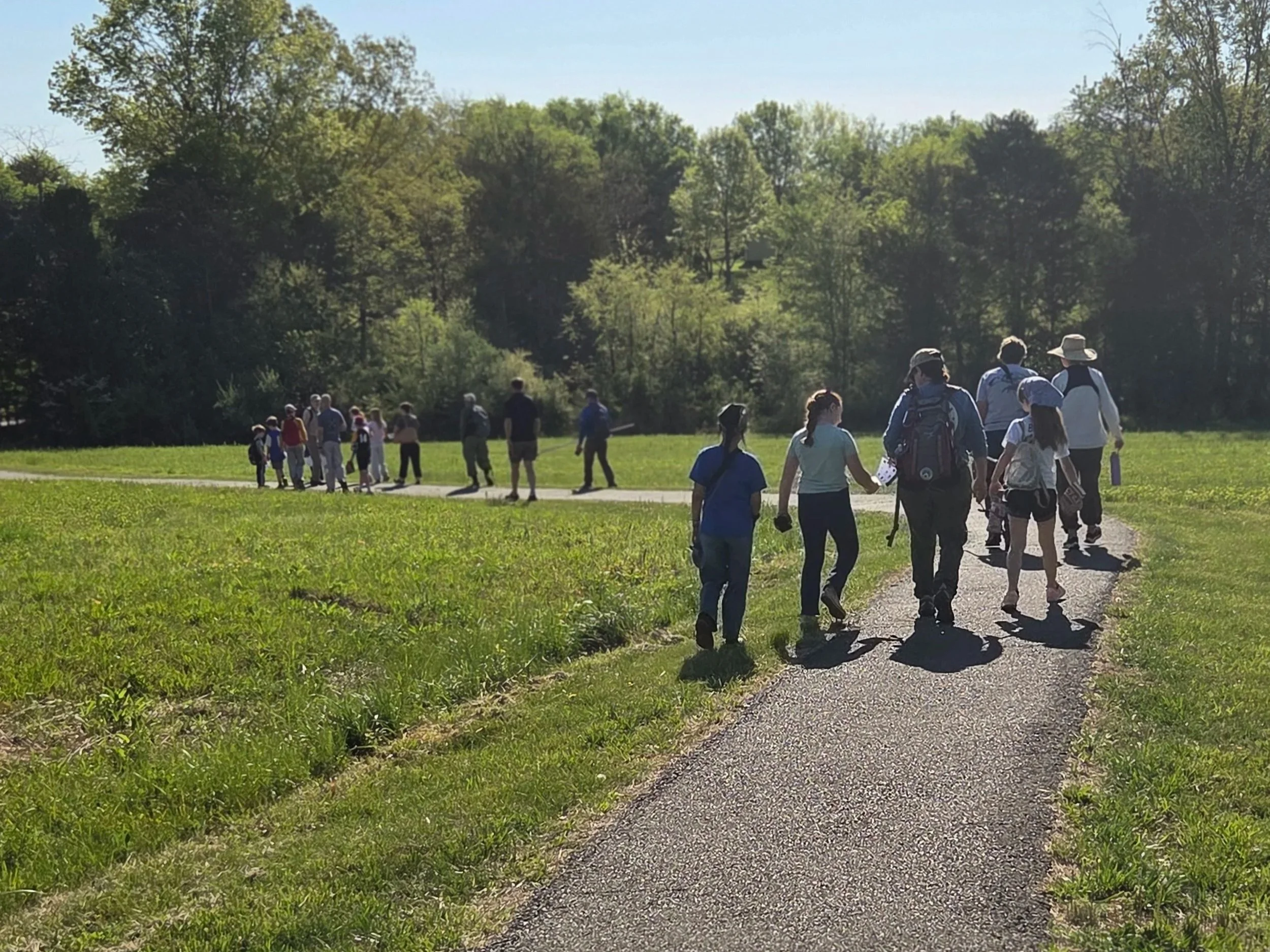
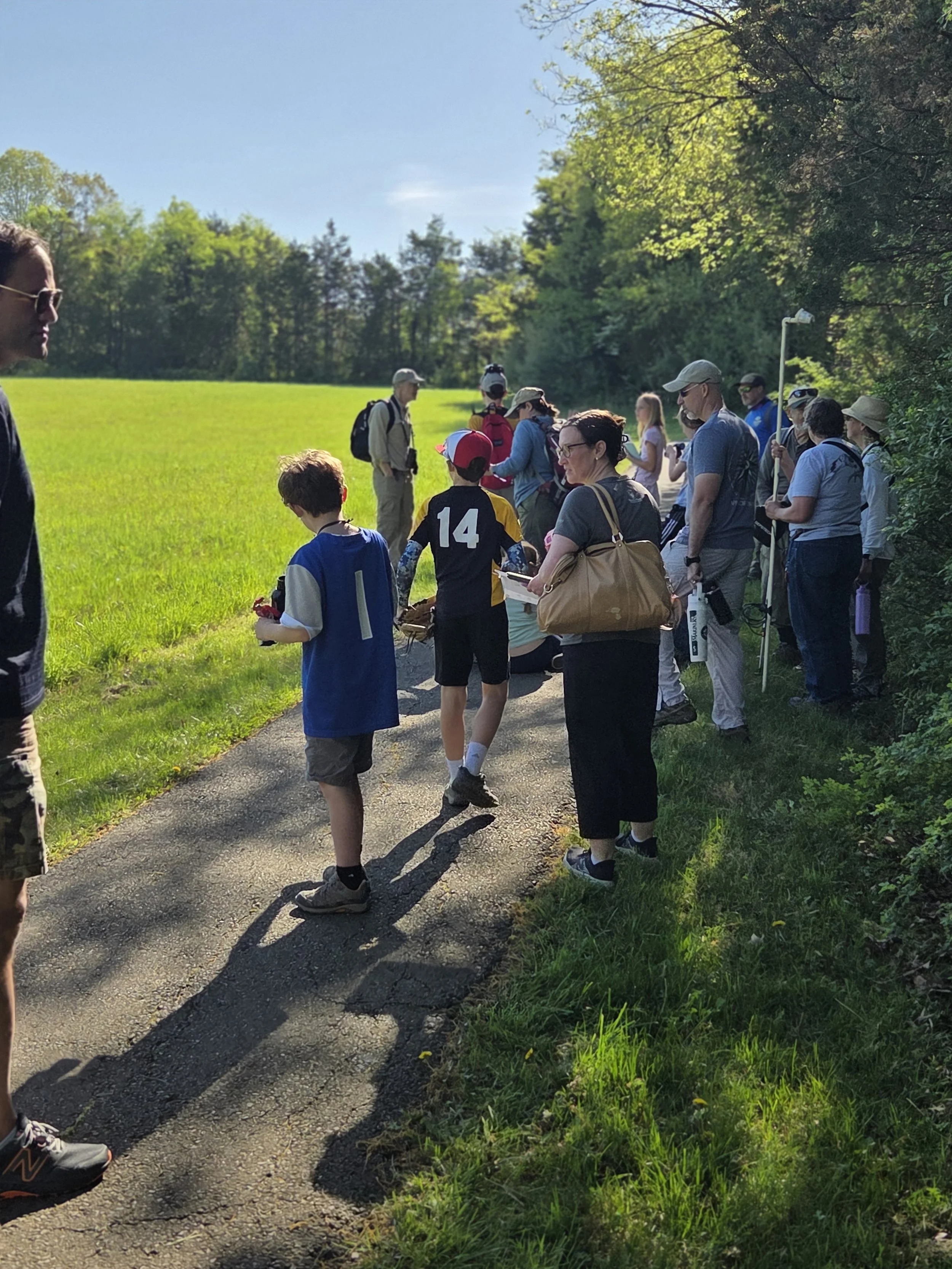
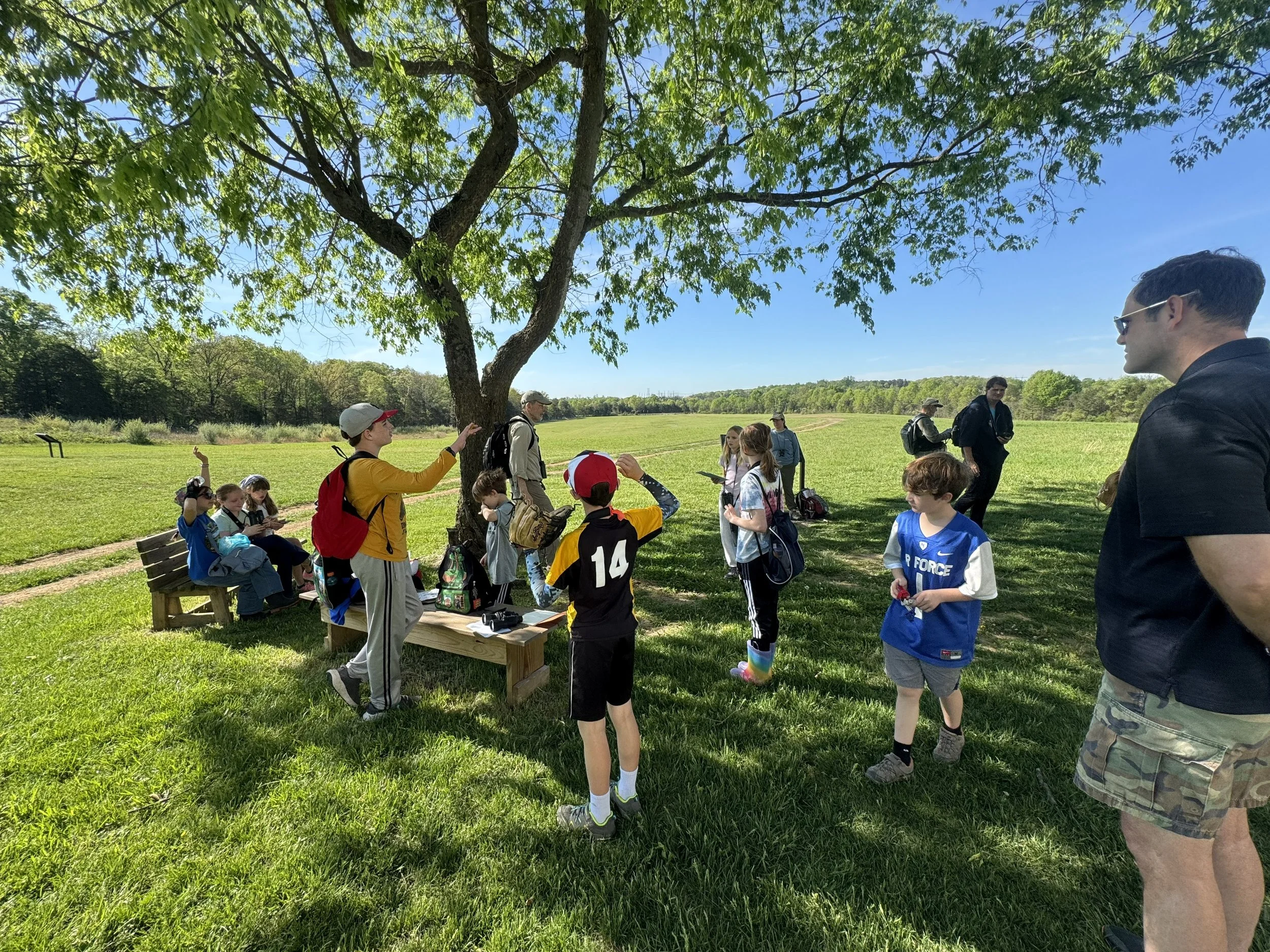
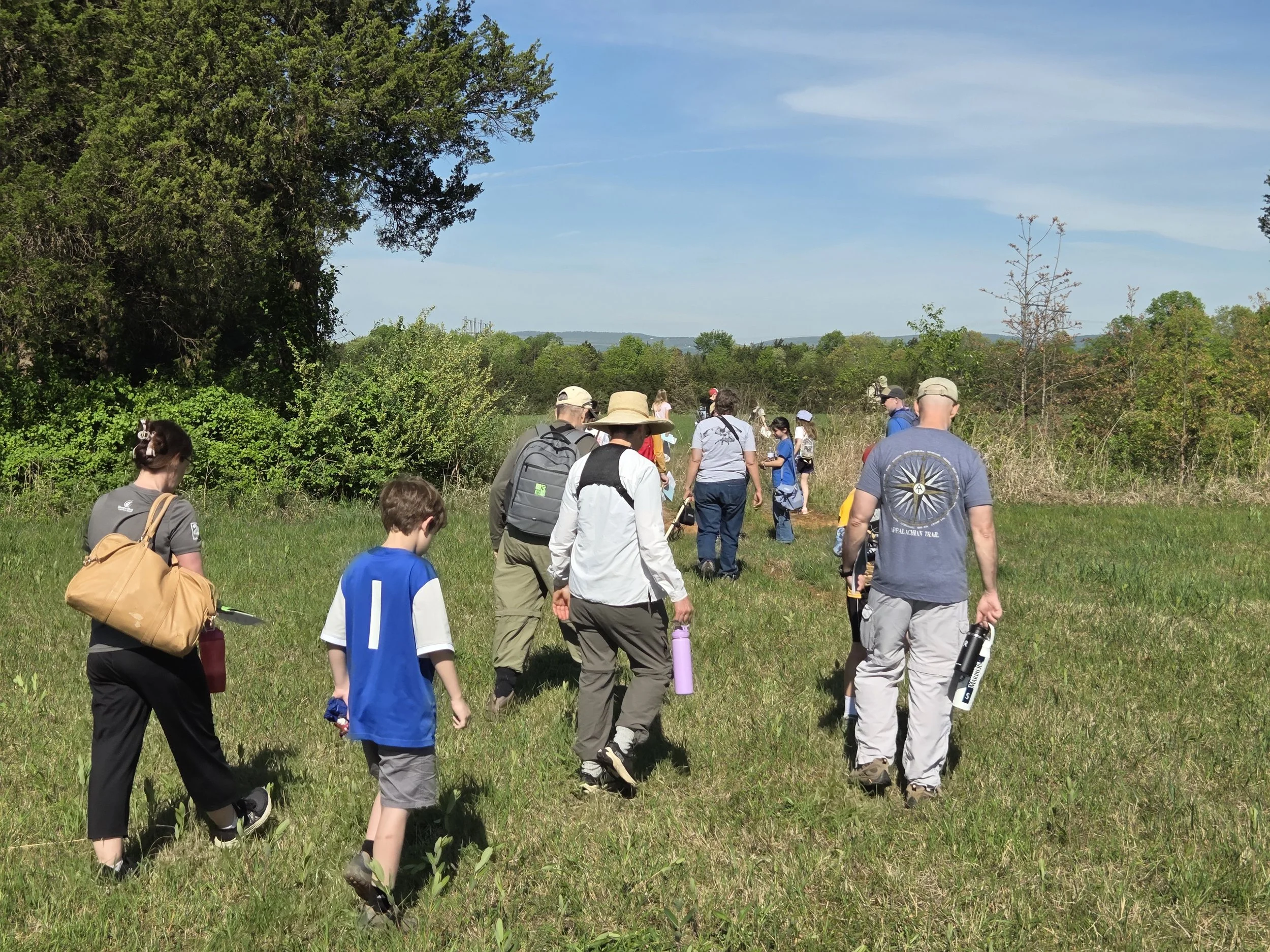
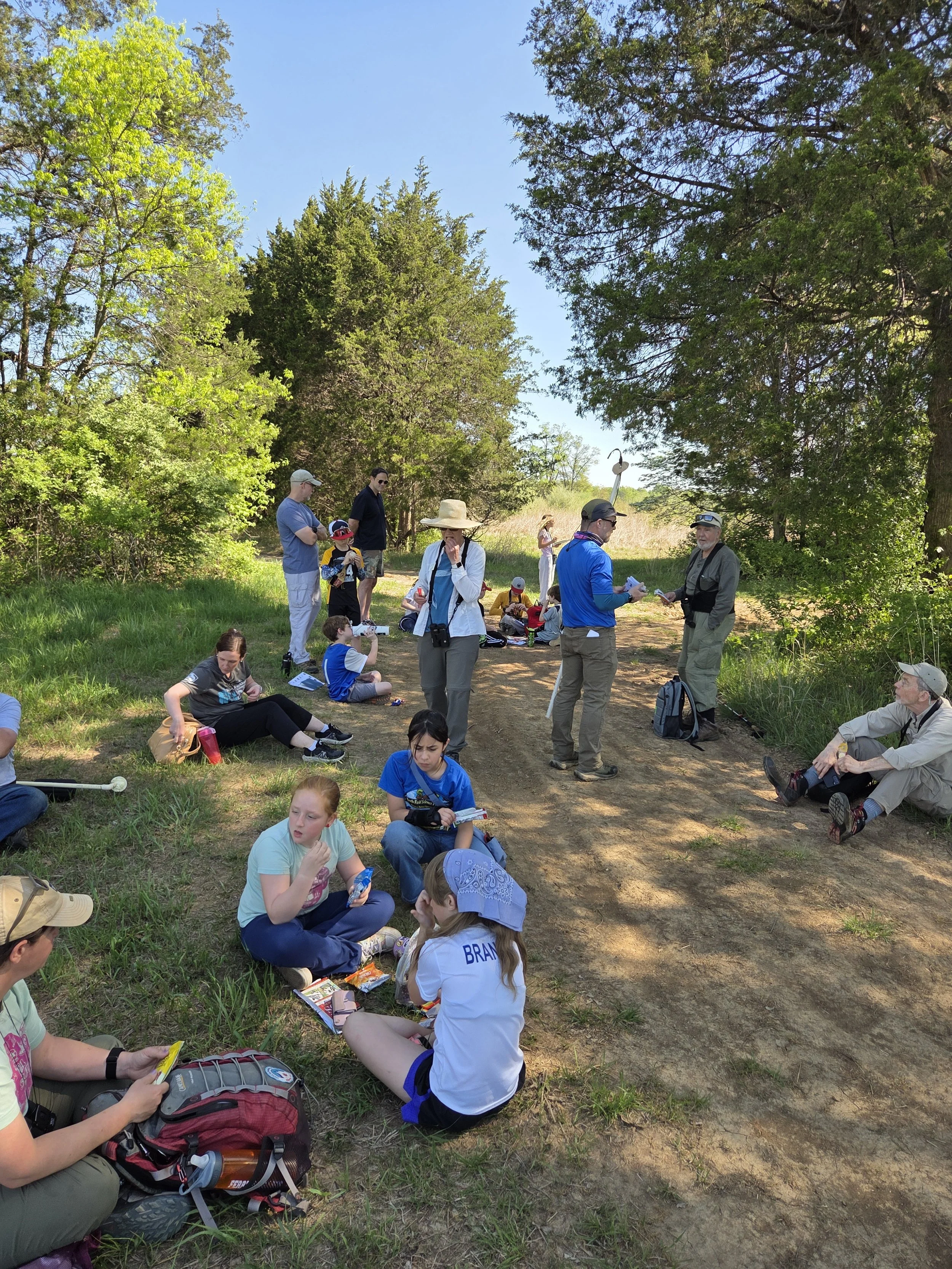
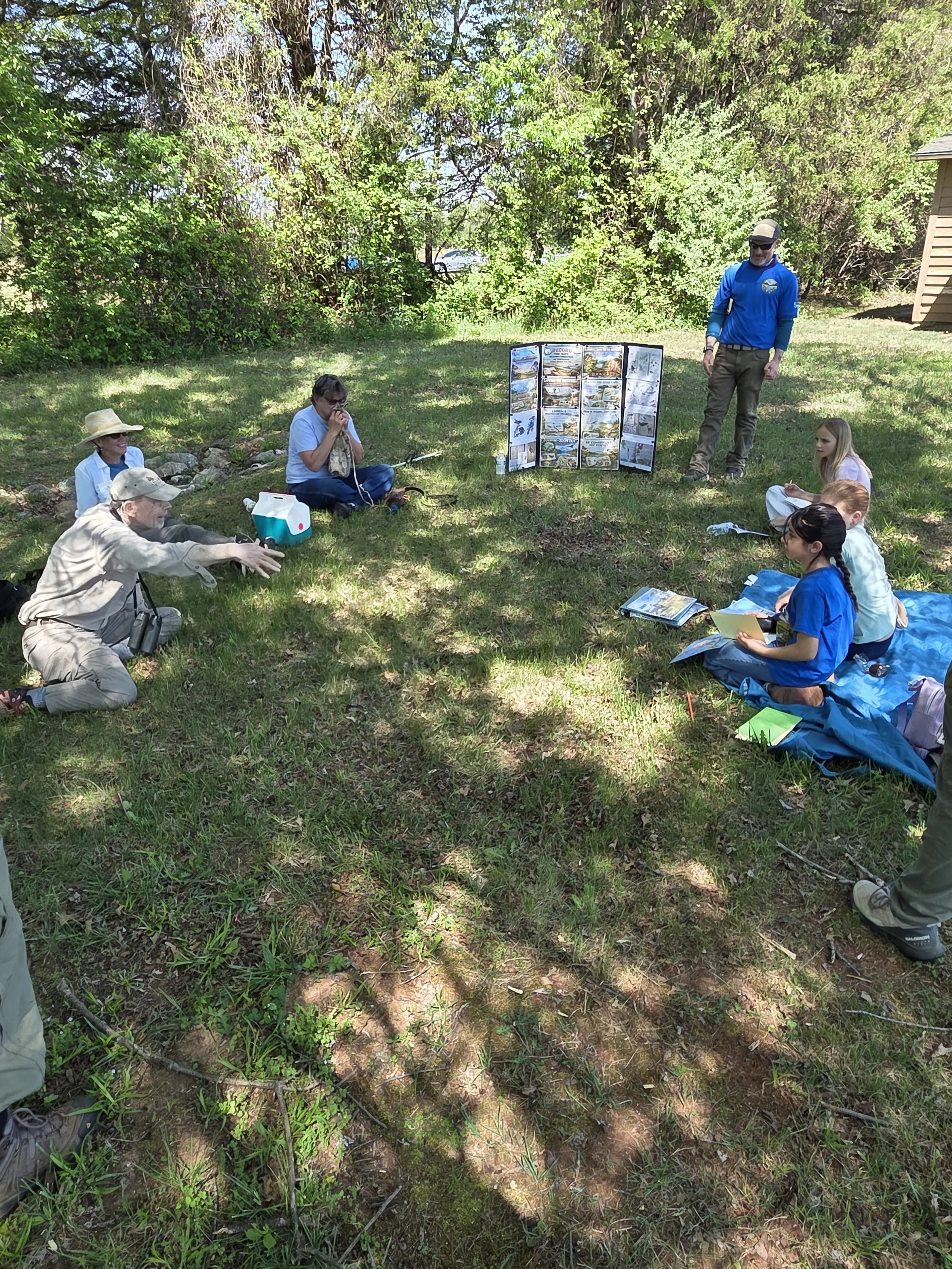
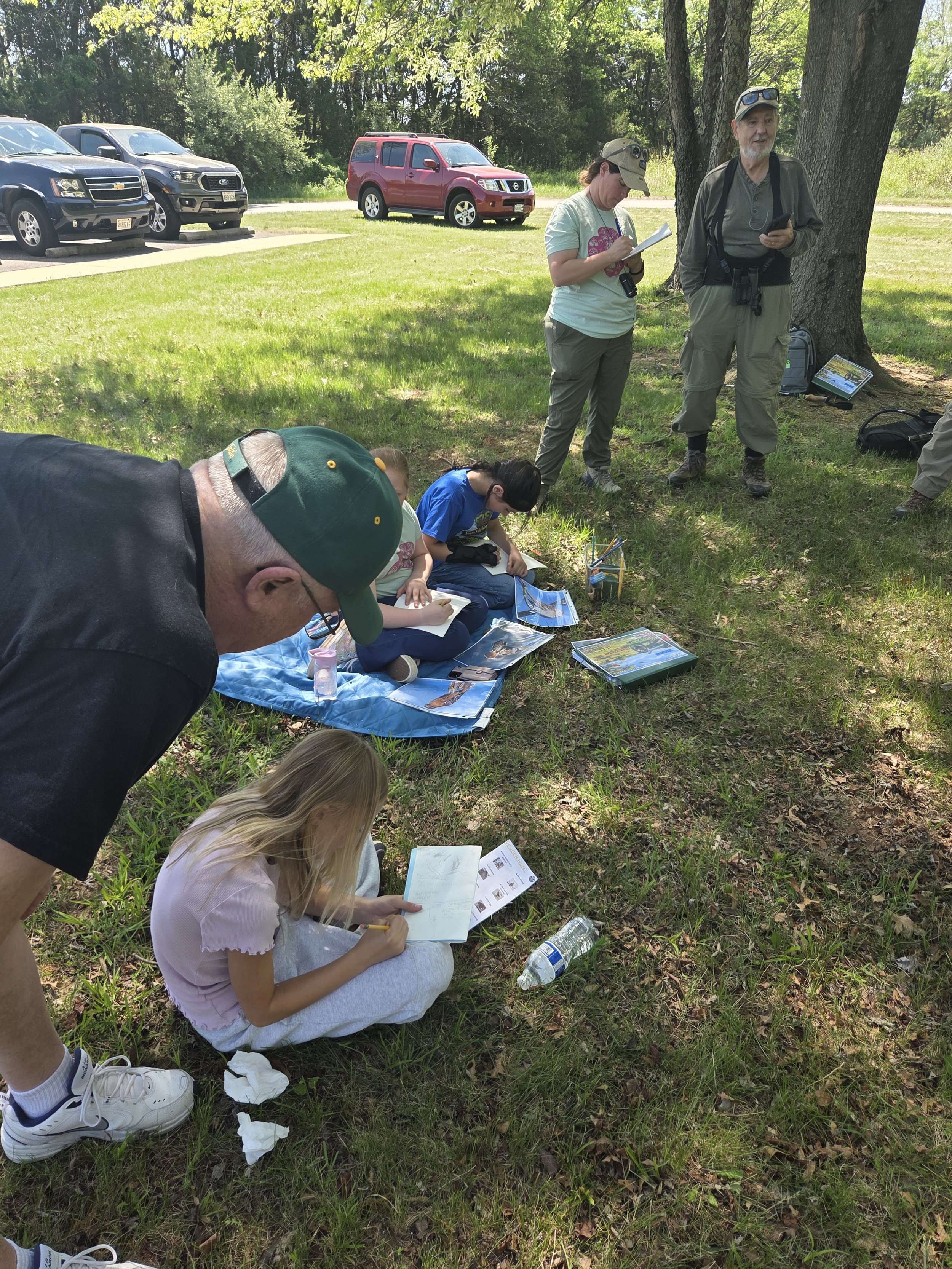
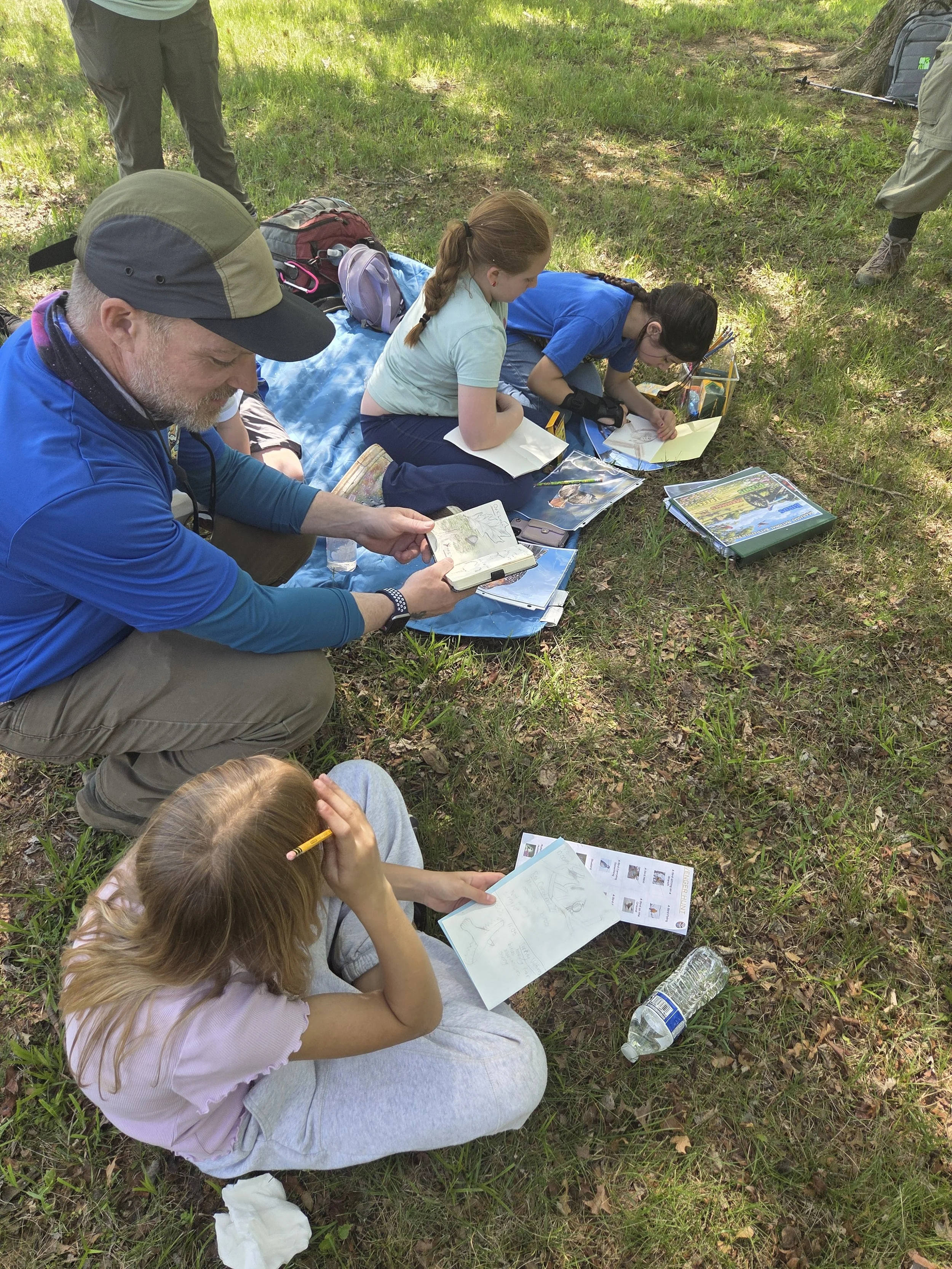
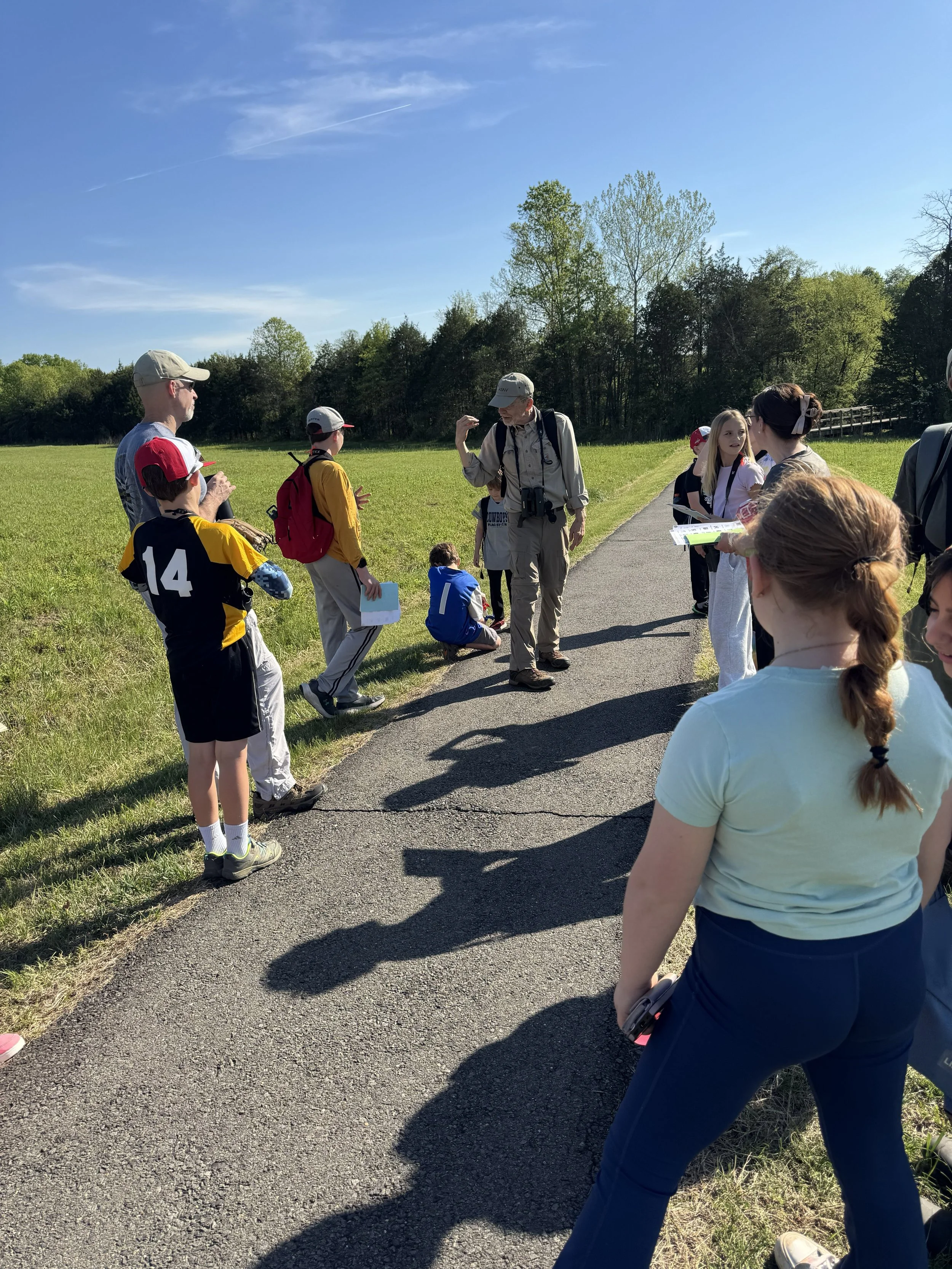
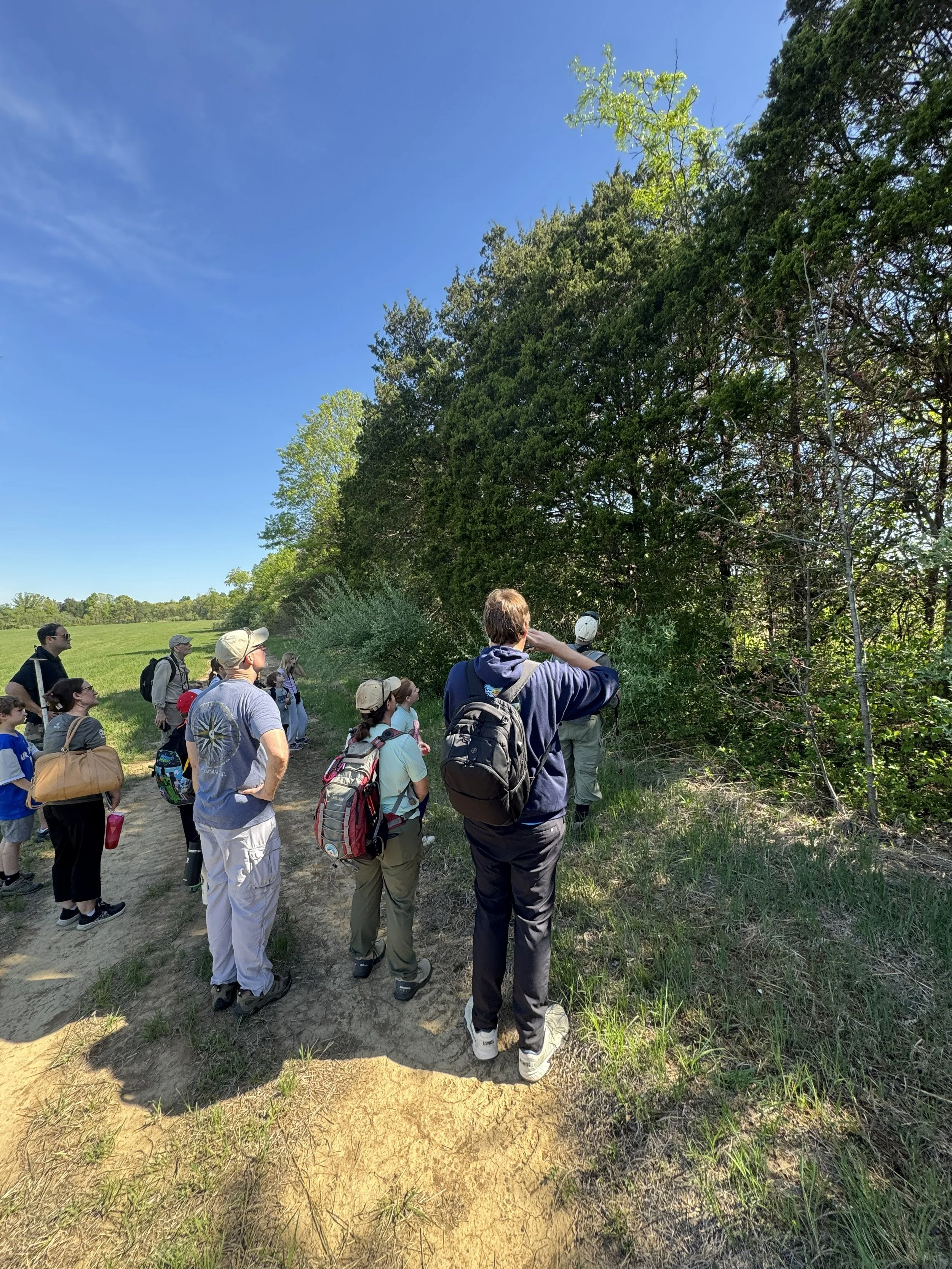
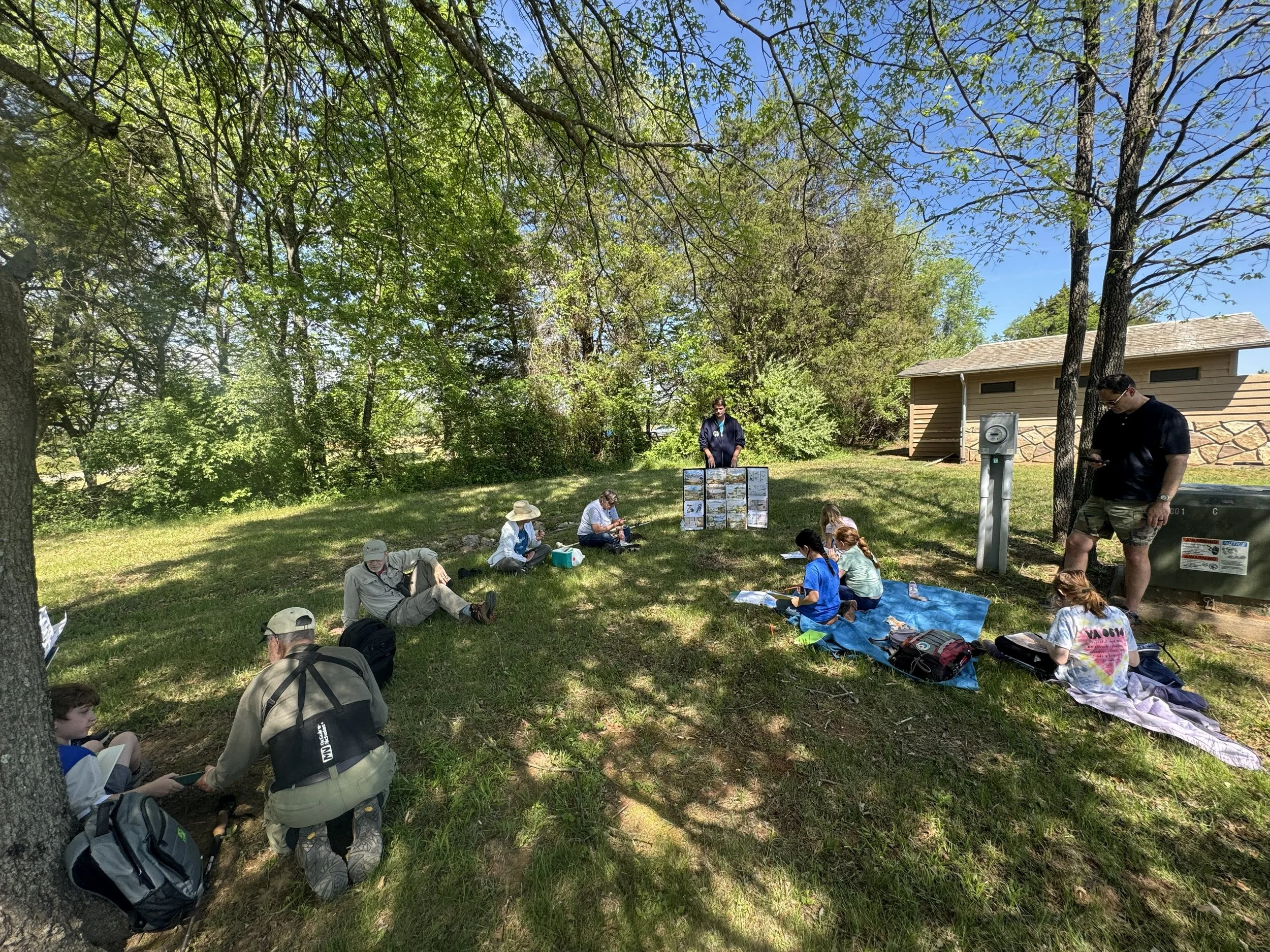
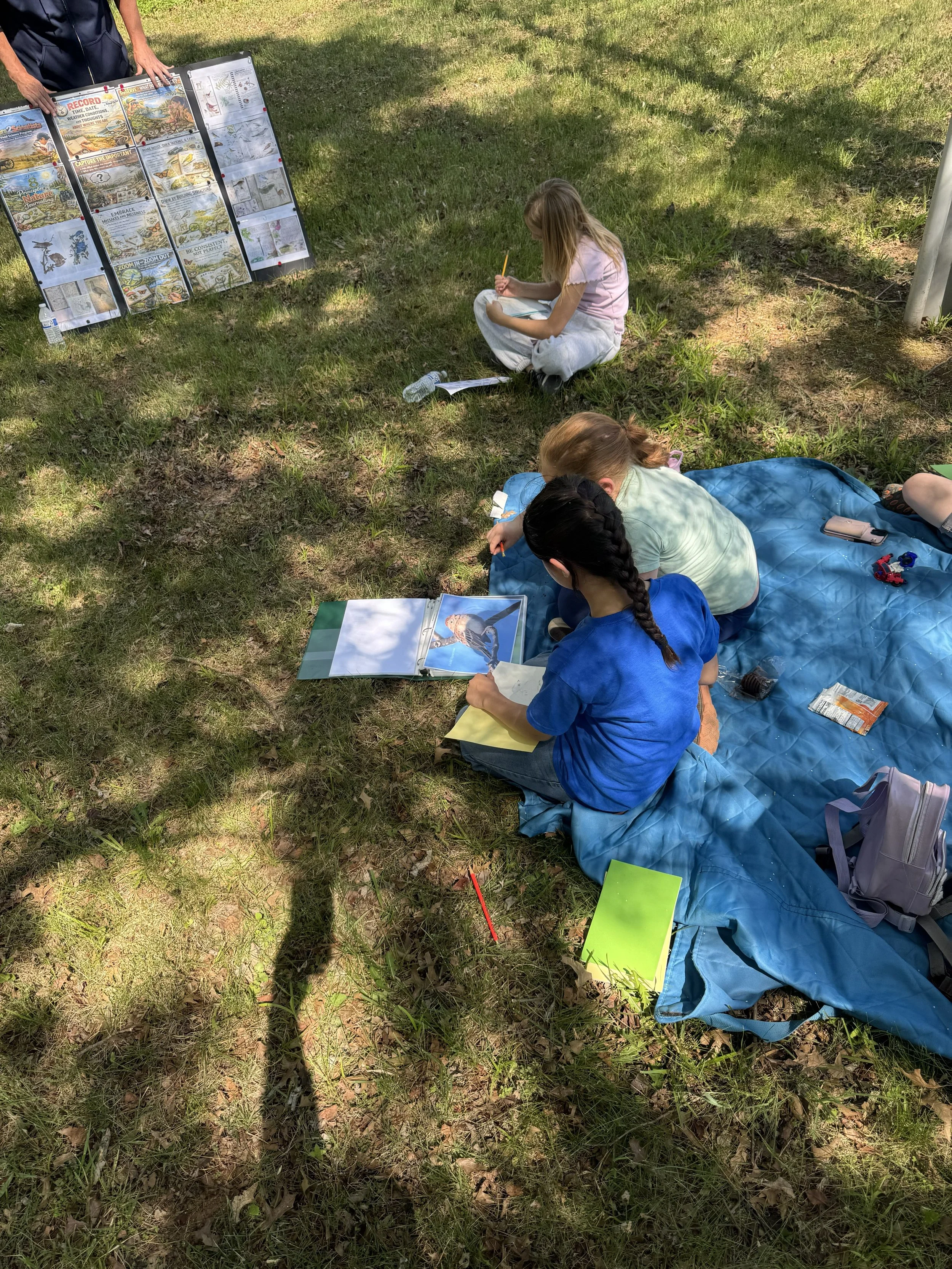
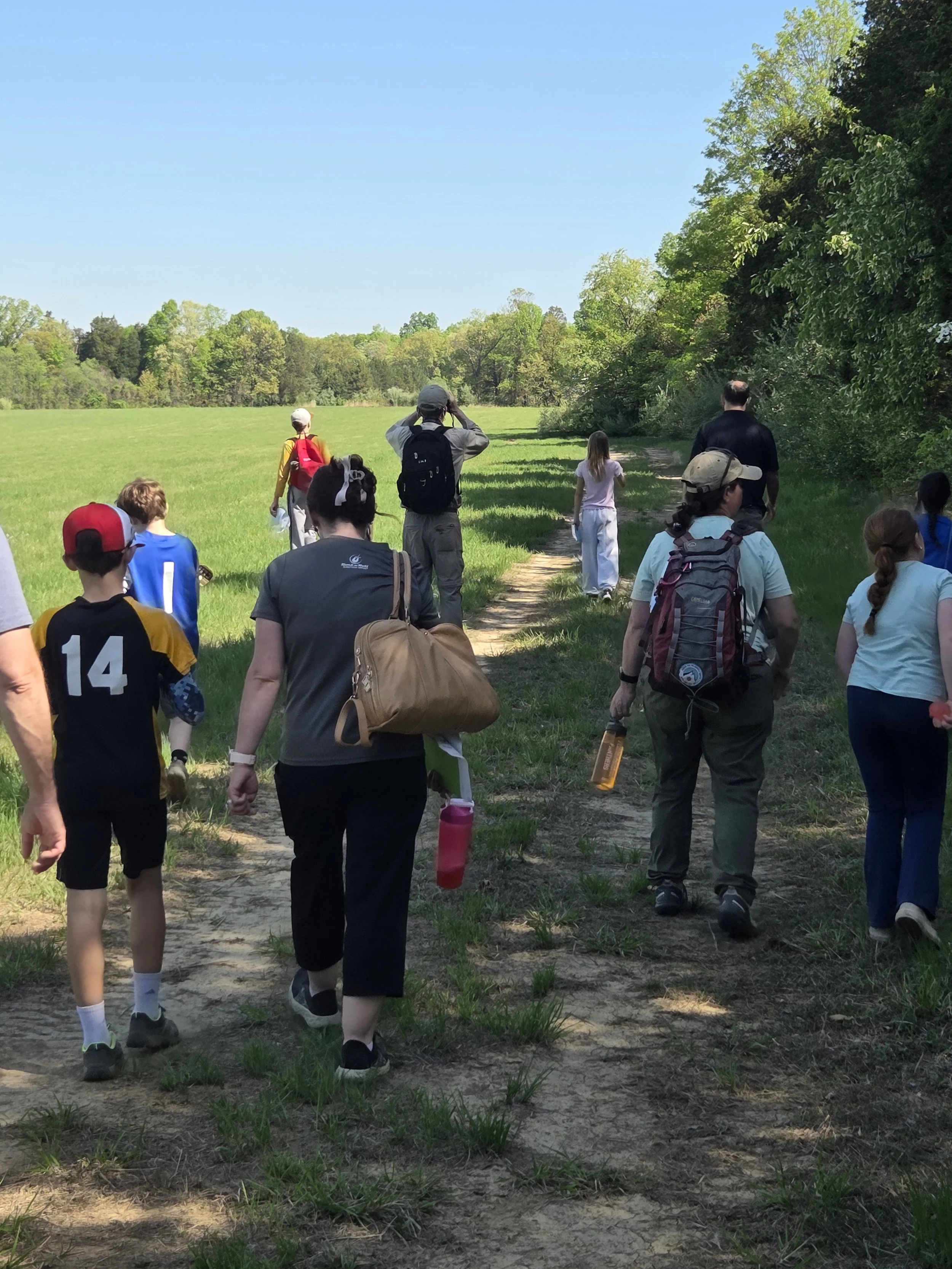
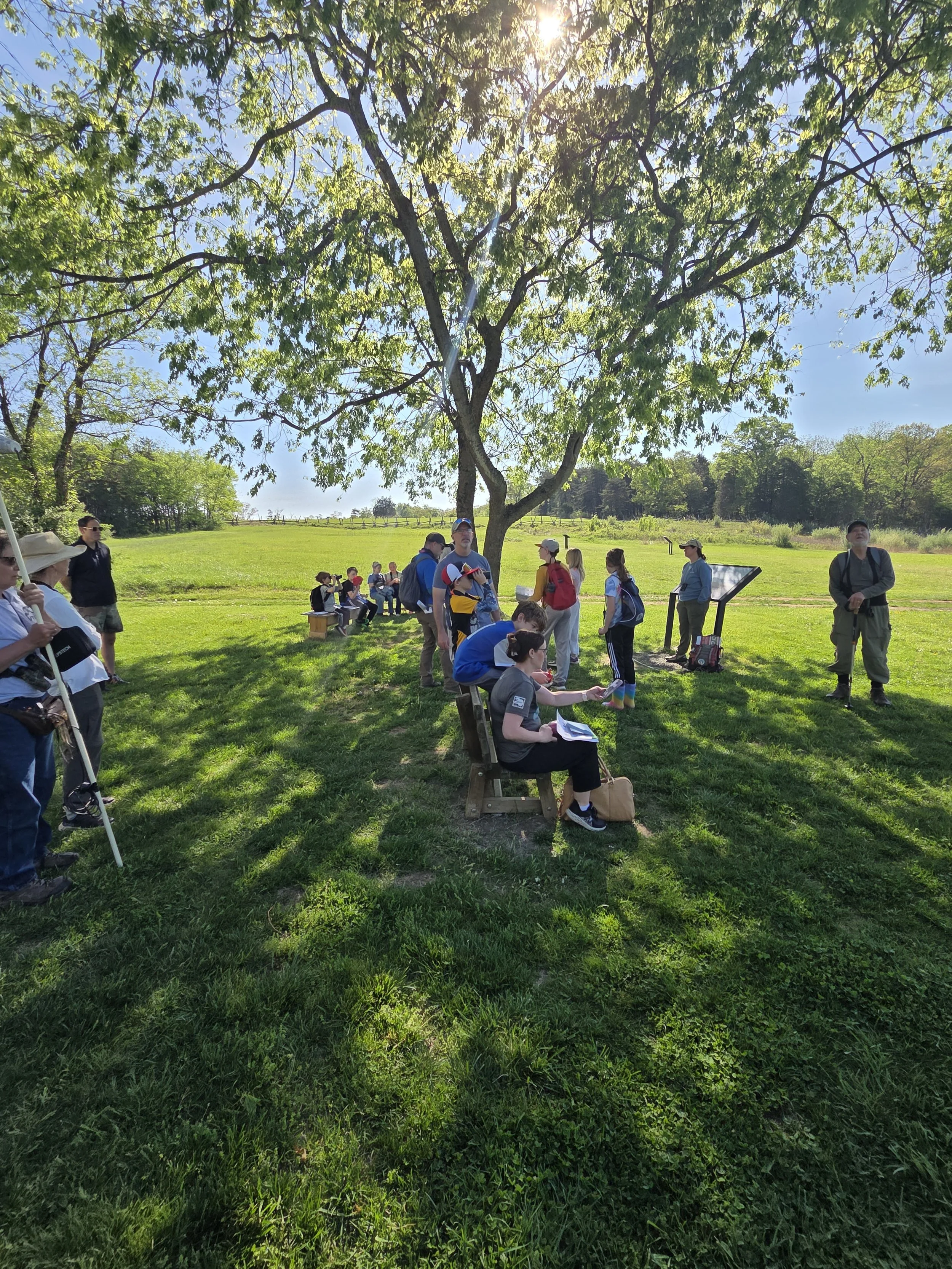
Youth participants, S2S team members, Ornithology Field Guides, and parents gather for a brief lecture on our bird walk at Manassas!
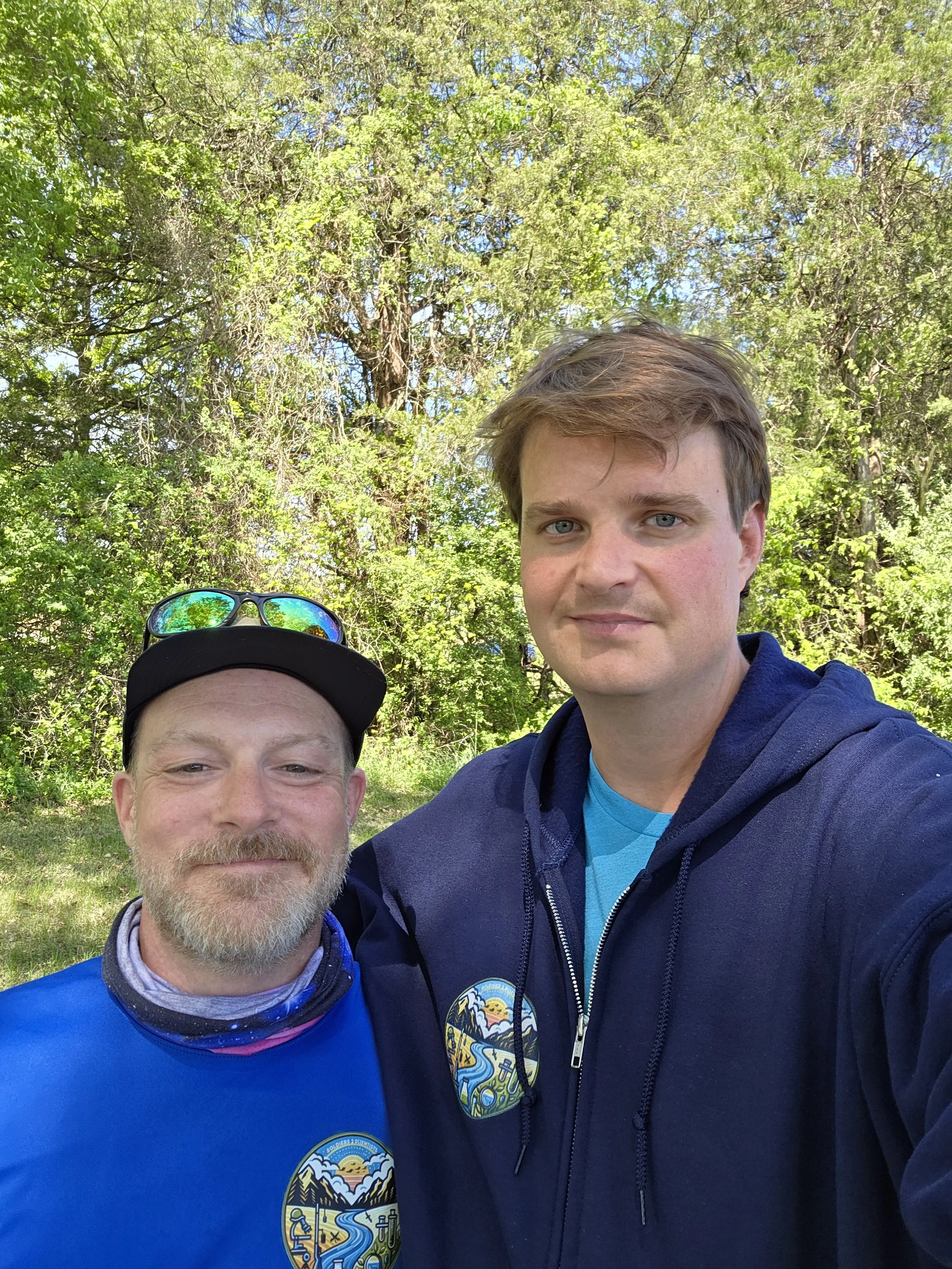
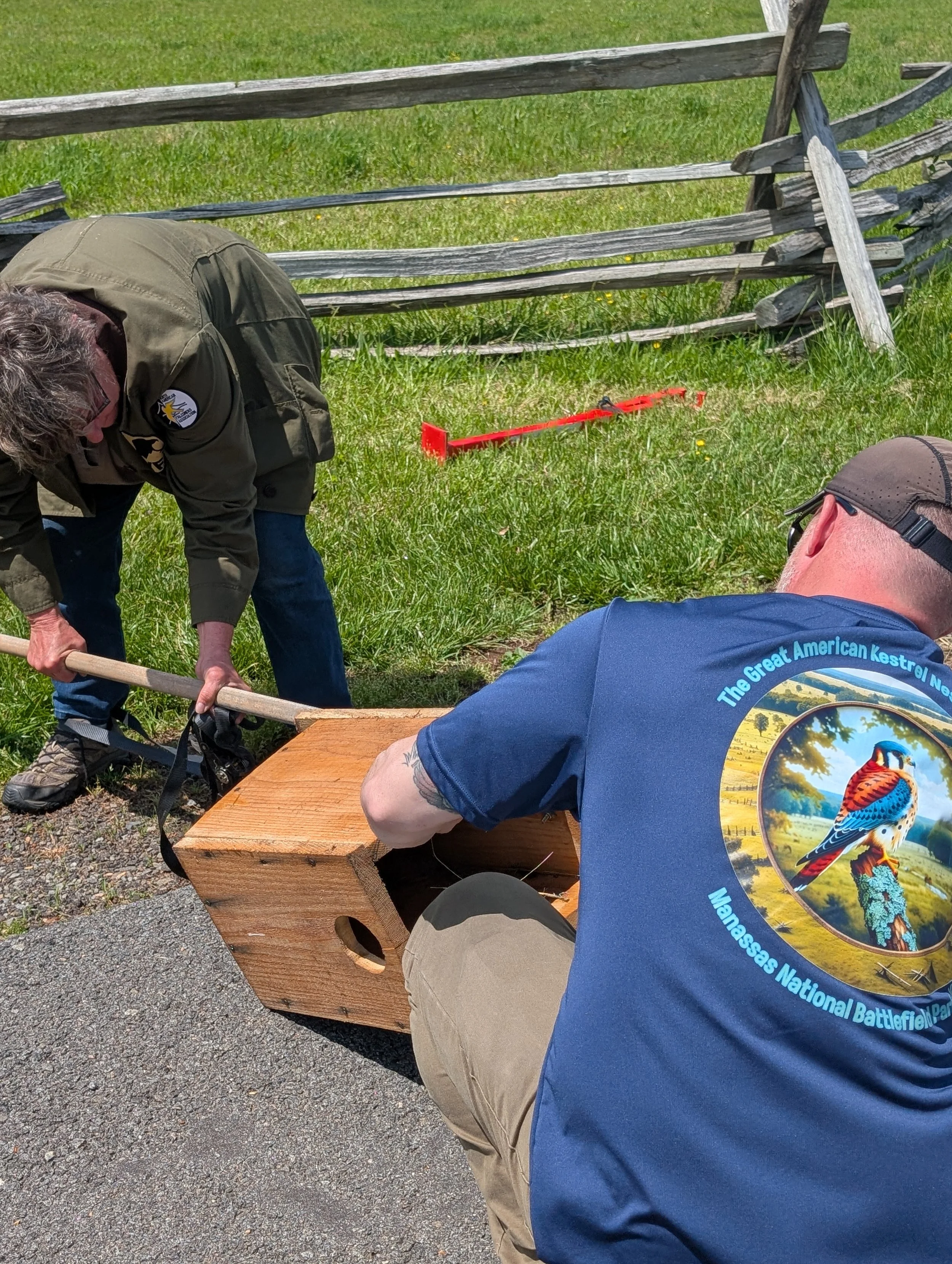
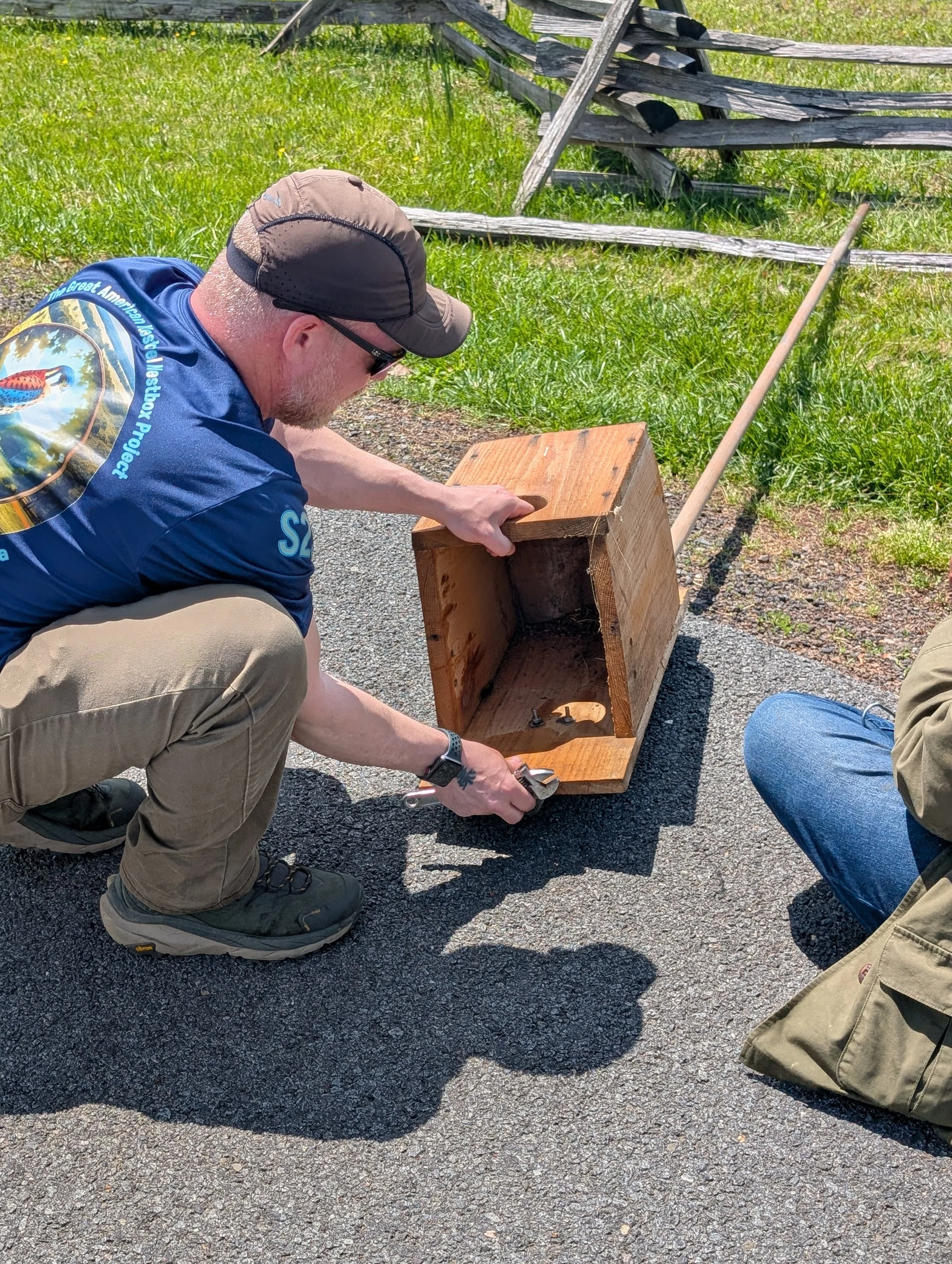
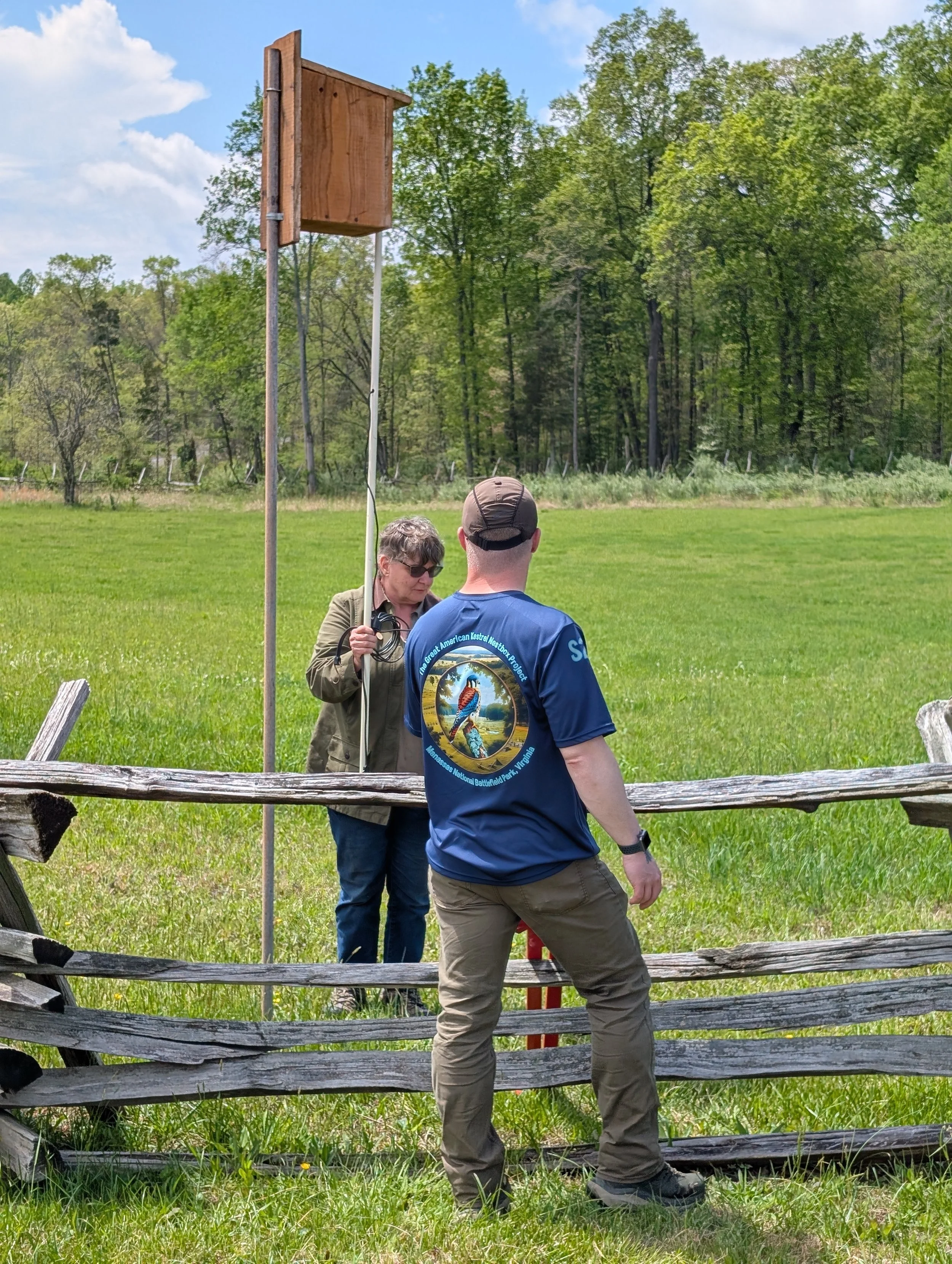
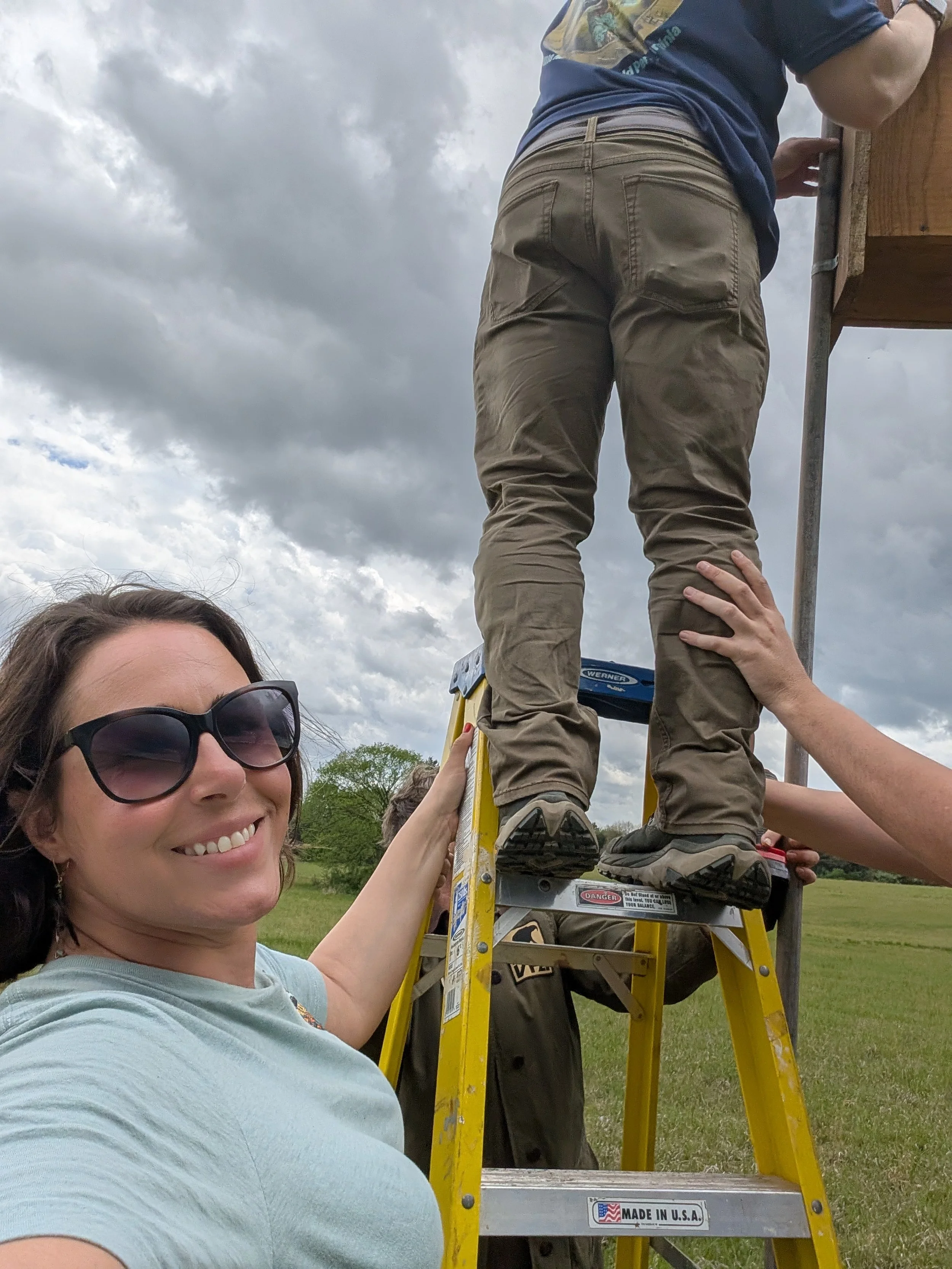
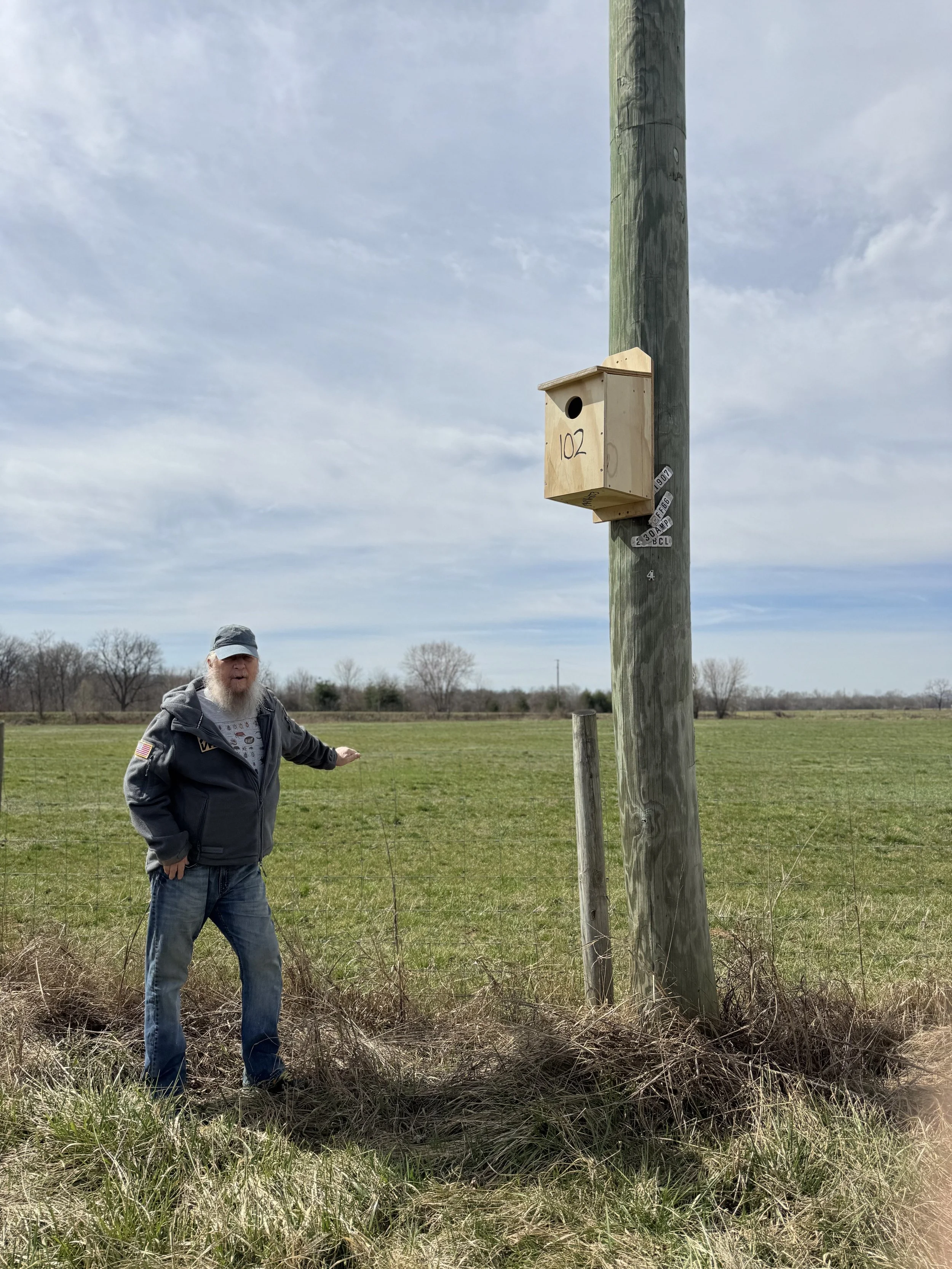
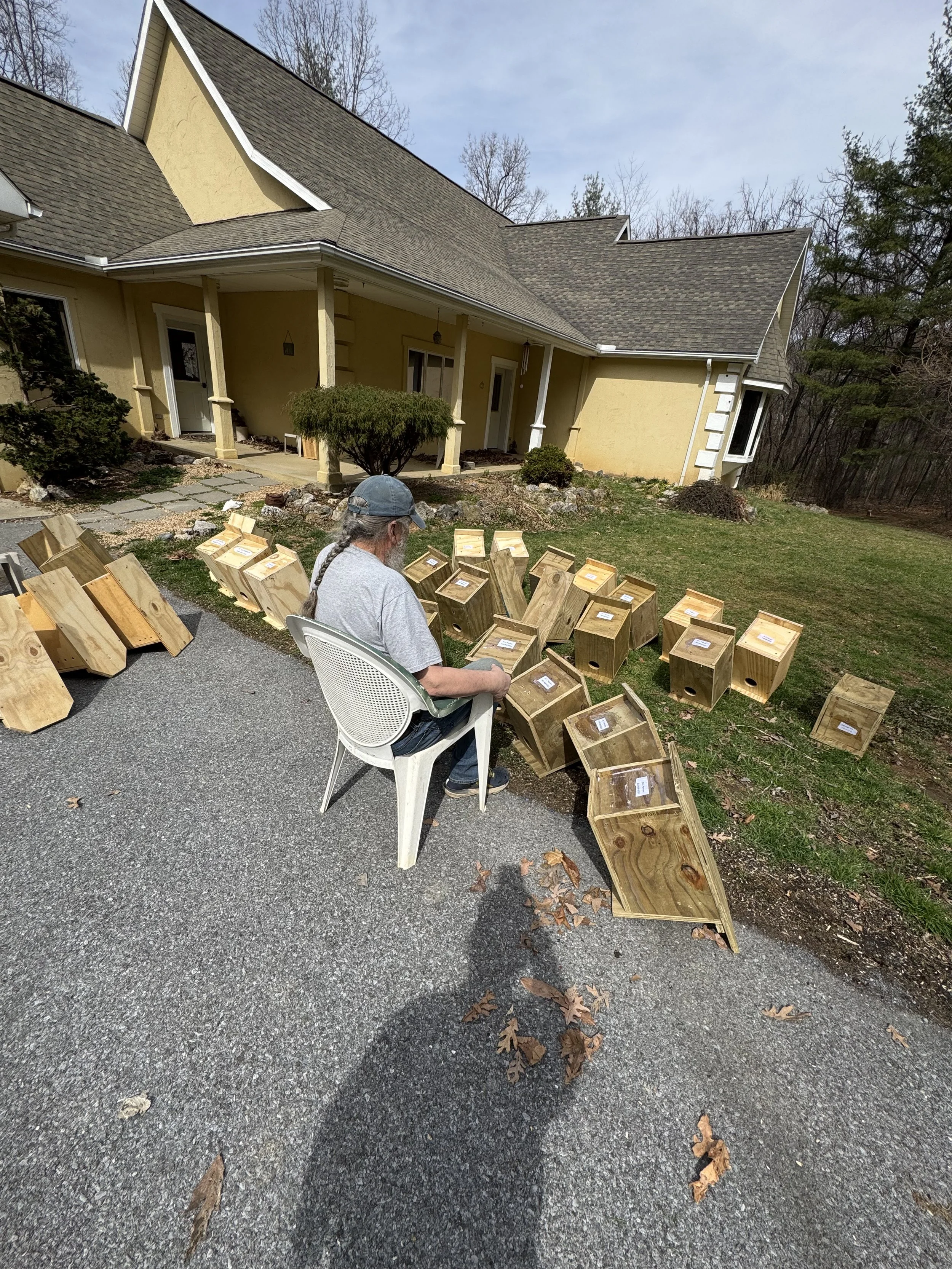
S2S began its main work at Manassas by reintroducing a well maintained American Kestrel nest box network at the park. In years past, Executive Director Michael Cohn had supported Cornell Ornithology Lab’s research here, but by 2024, the network had become dilapidated and desperately needed repair due to a lack of volunteers. With the help of Hawkwatch International and the Jerry Liguori Scholarship, S2S was awarded funding to rehab the network. Over the last two years, upwards of seventy nest boxes have been personally built by S2S and delivered to Manassas National Battlefield Park and the Shenandoah Raptor Study Area. With help of Master Banders Lance and Jill Morrow and Falconer Corine Hagan, S2S has learned a great deal about building boxes properly, bird banding, and strategic placement at Manassas National Battlefield Park. All of this work put us in a great position to showcase our work and to pass on our knowledge to our Youth Cohort during Module 2 of our program!
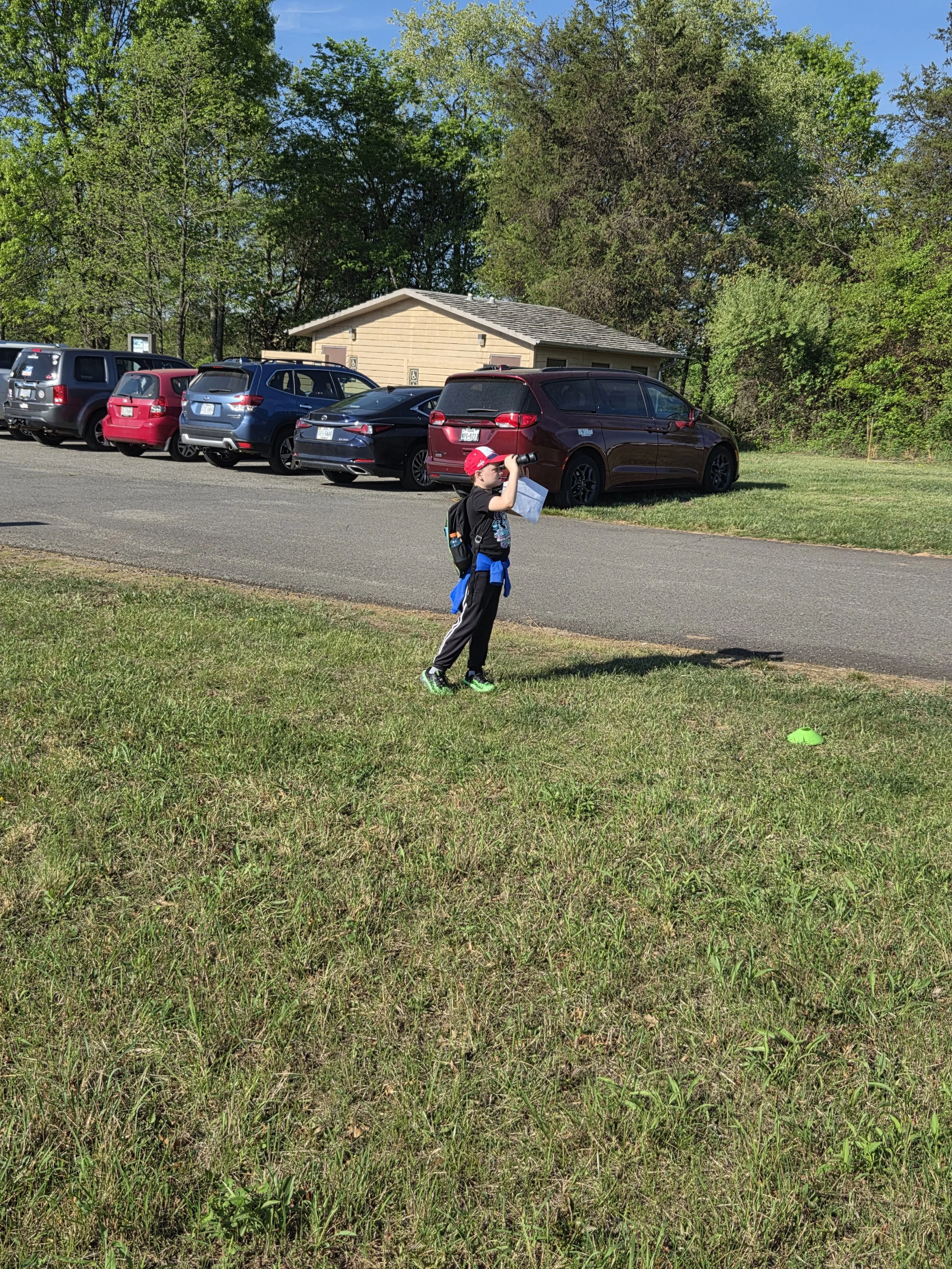
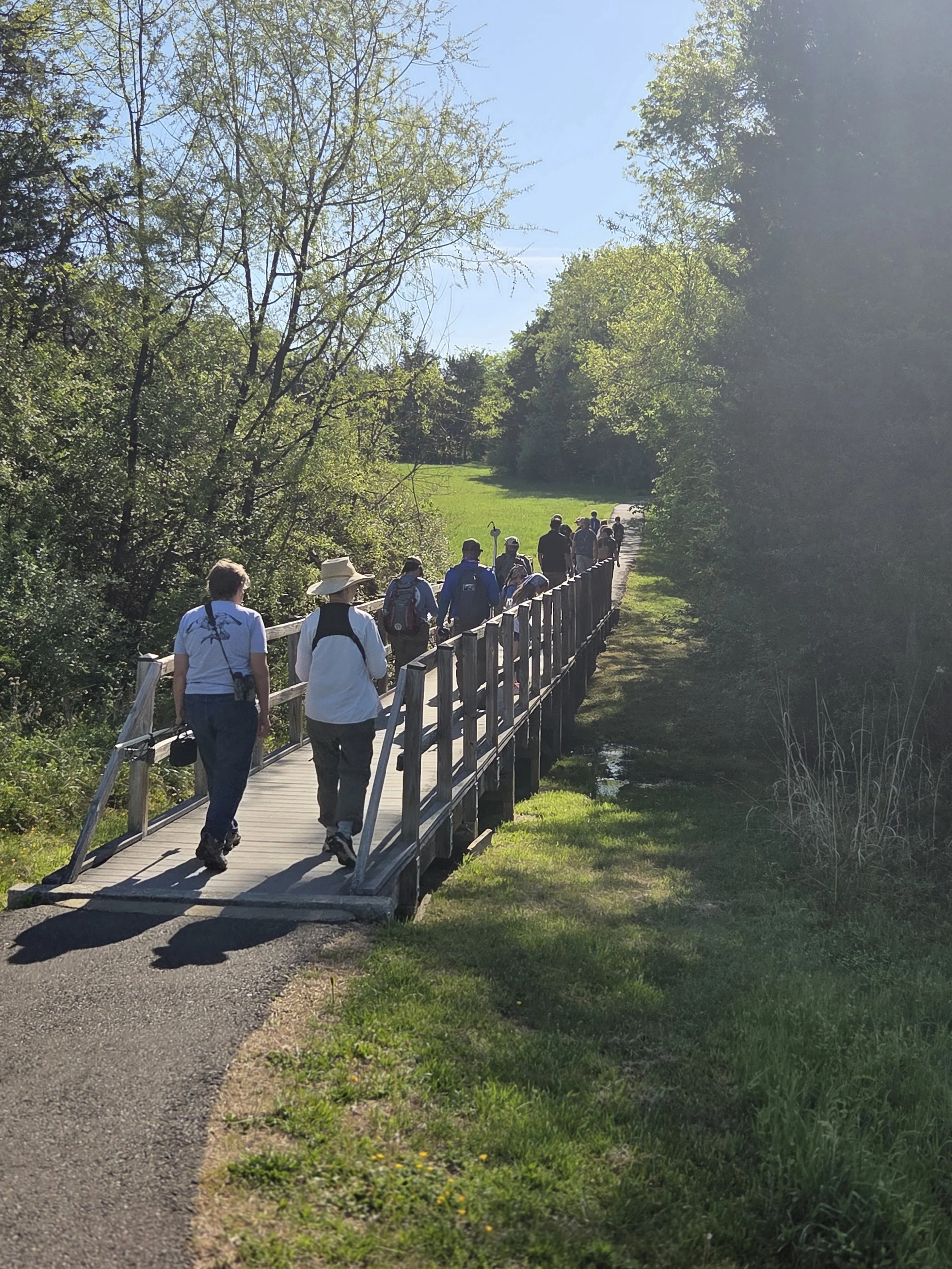
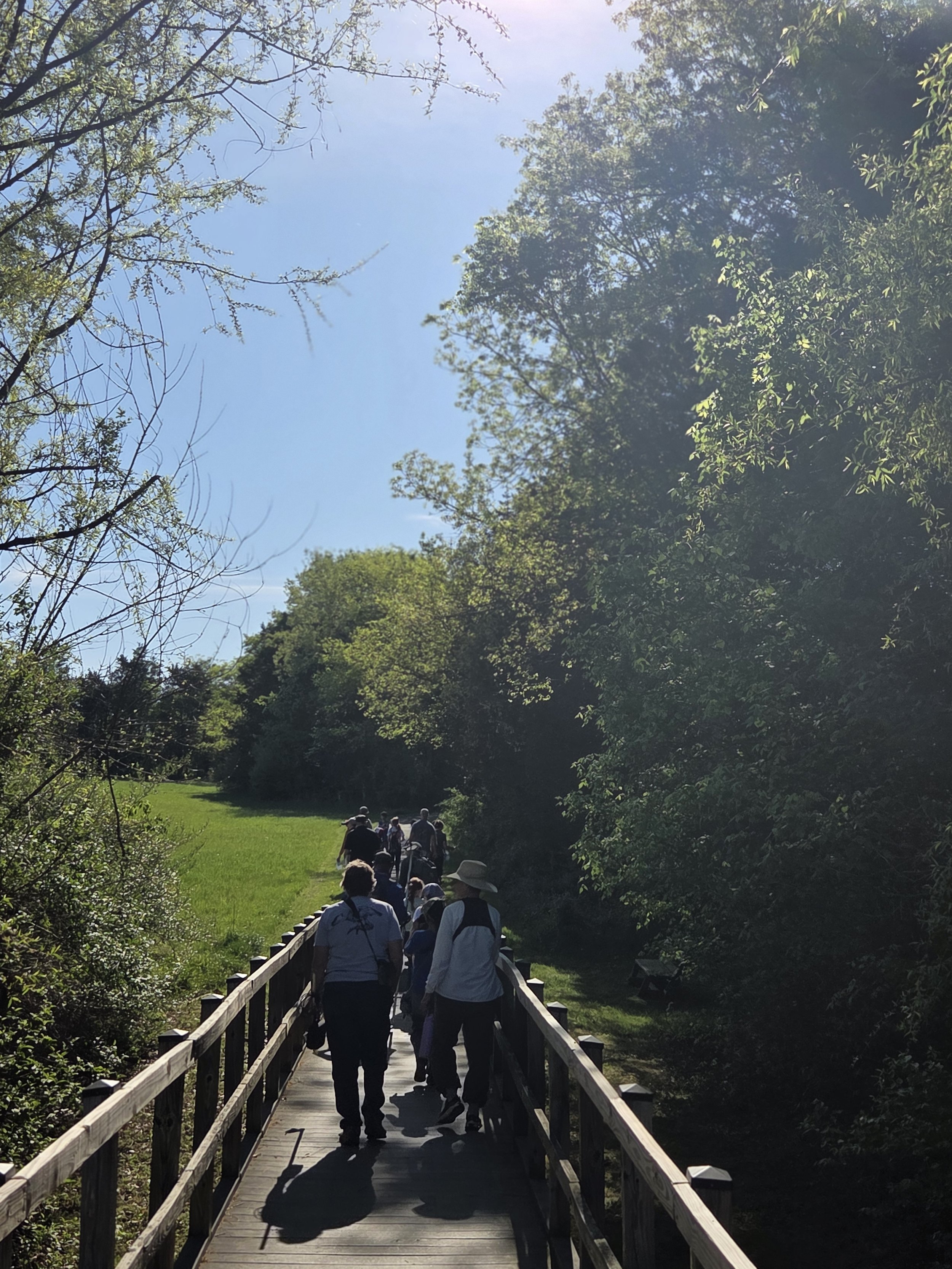
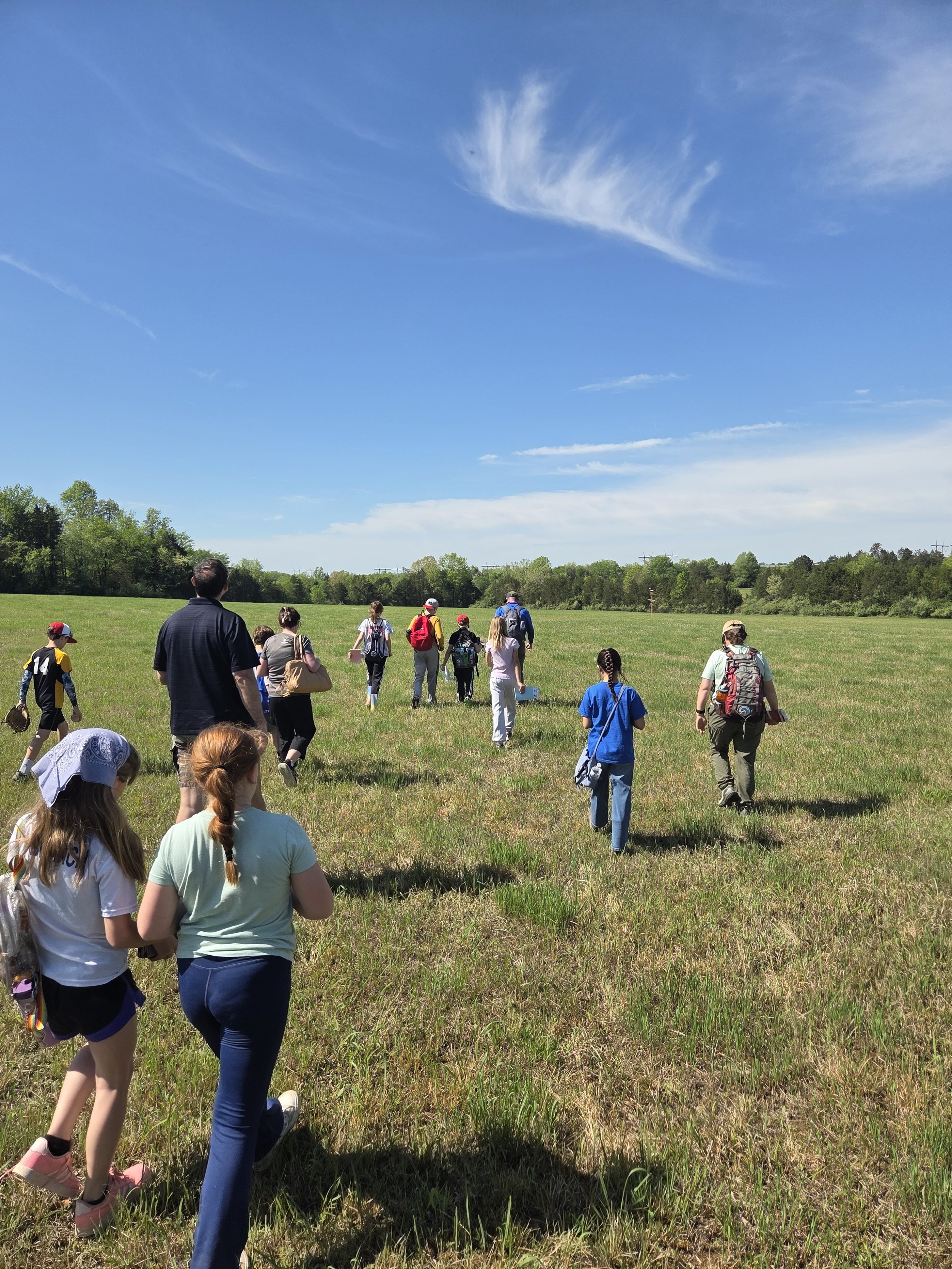
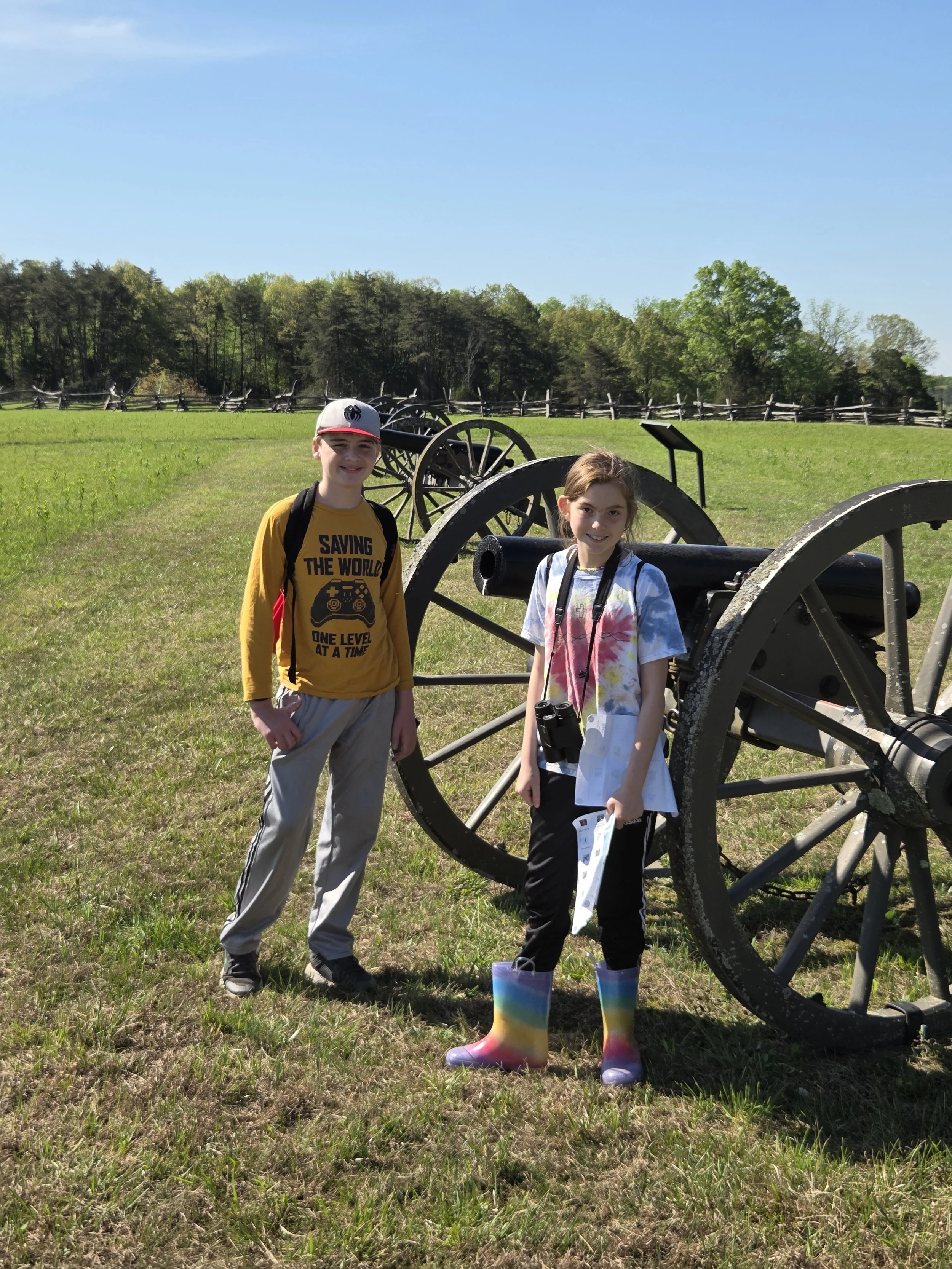
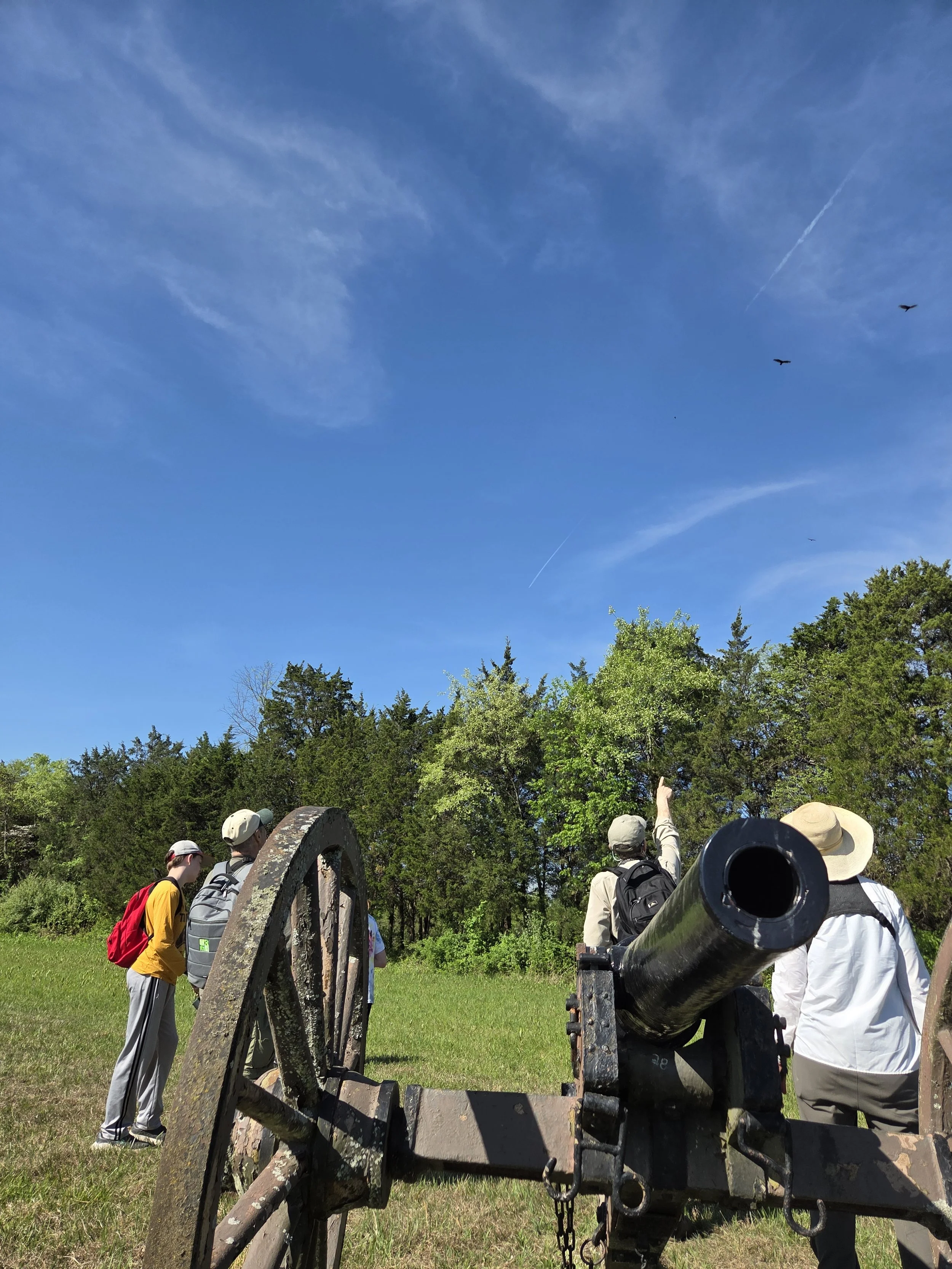
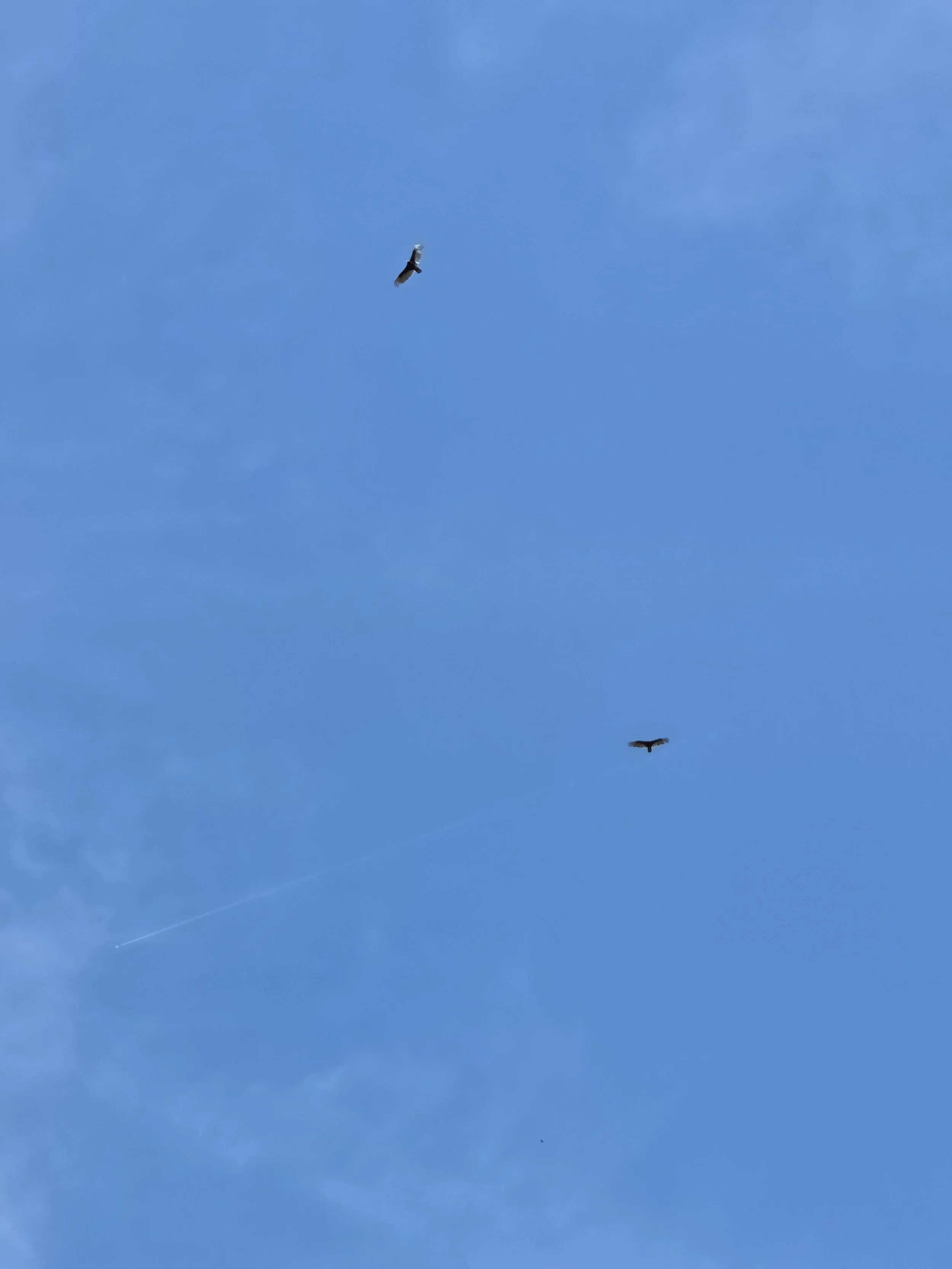
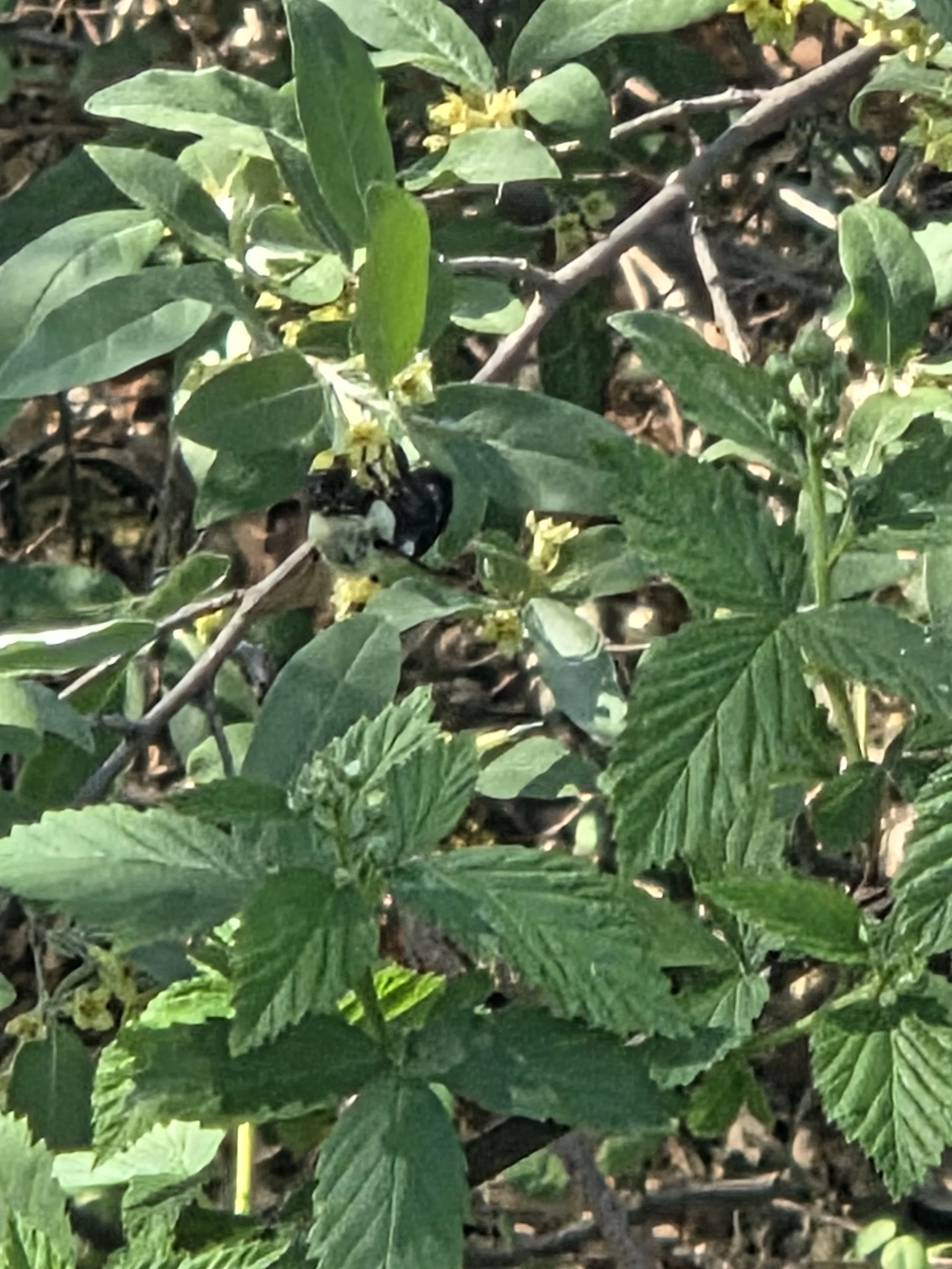
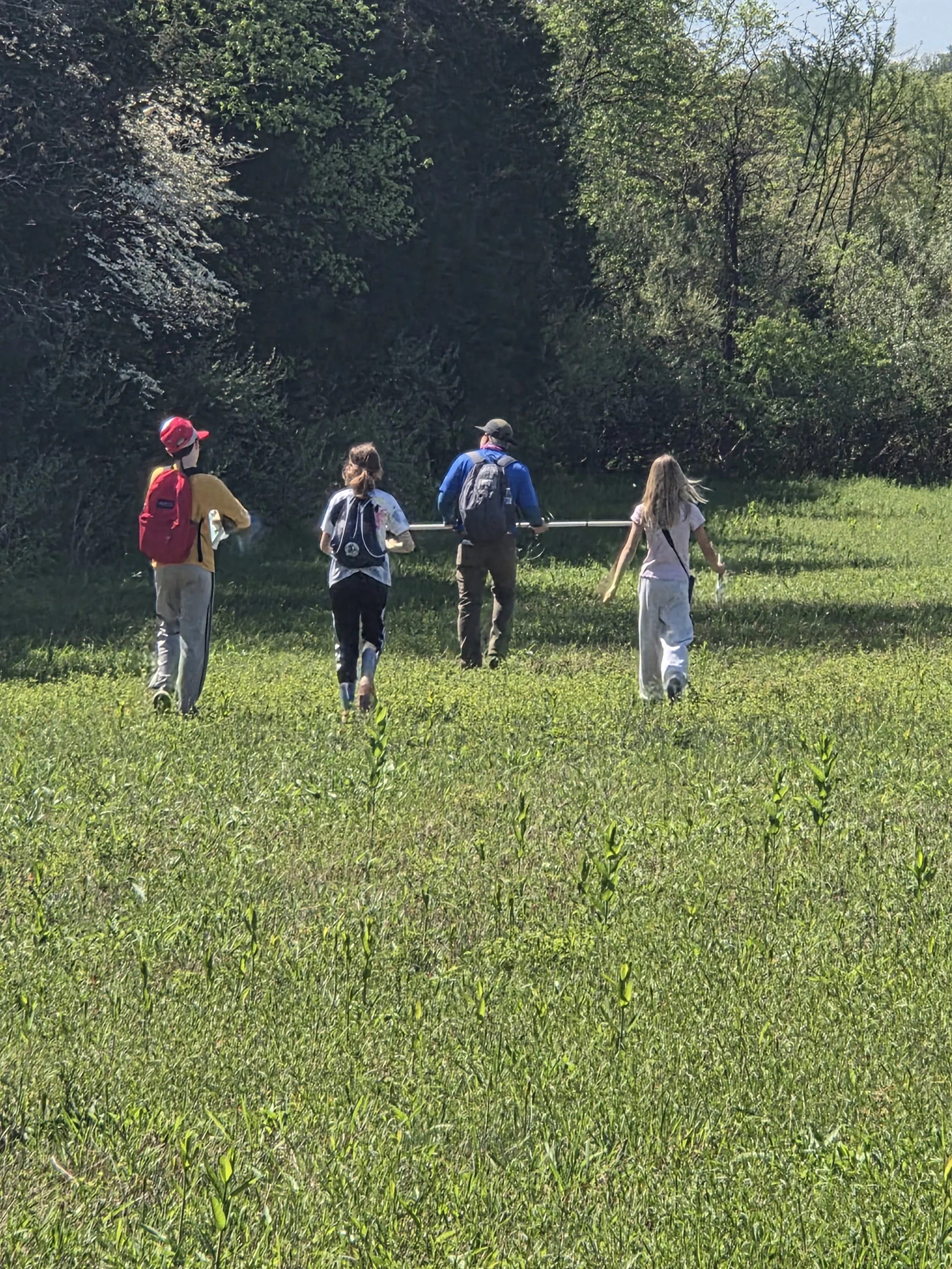
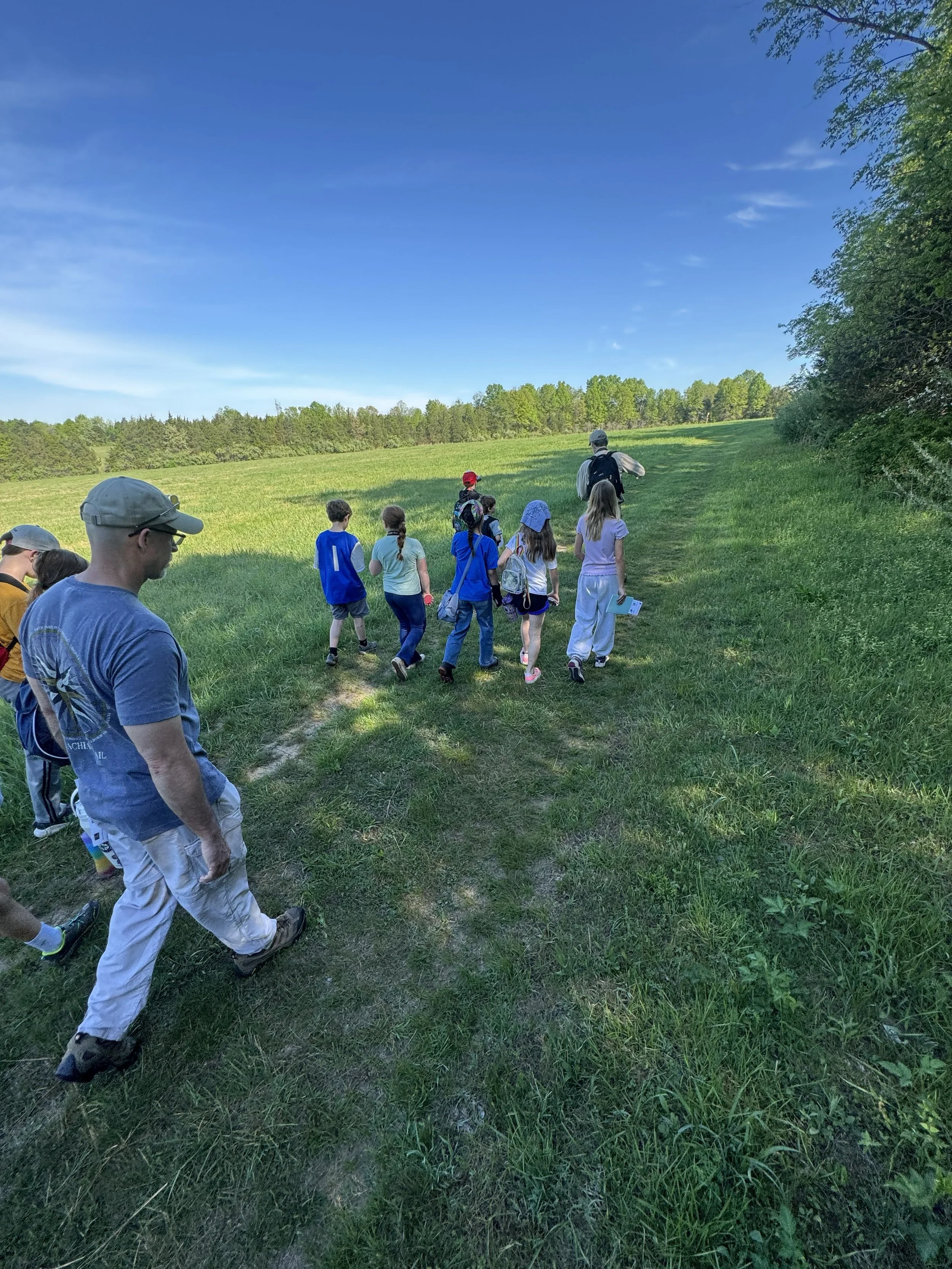
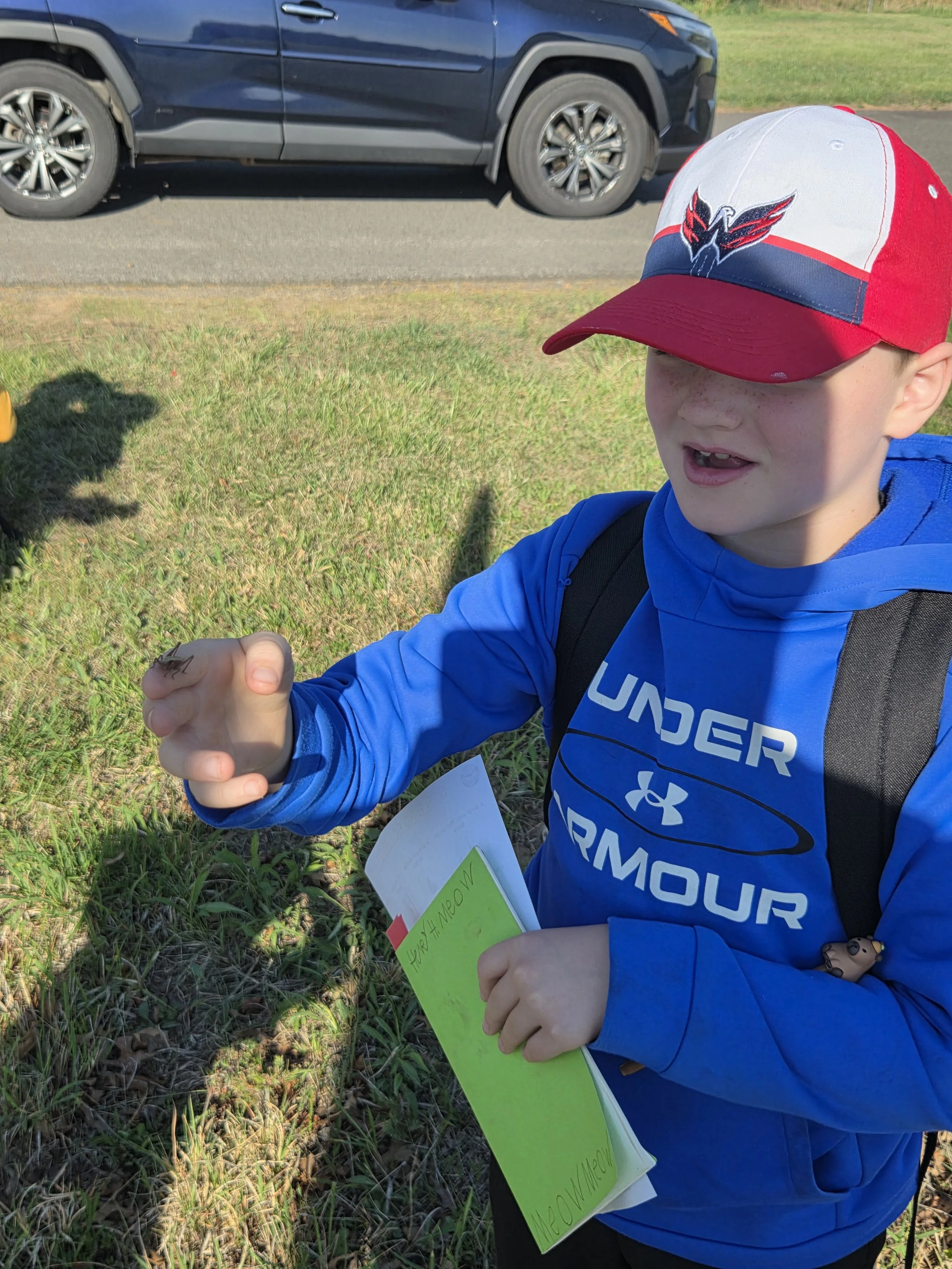
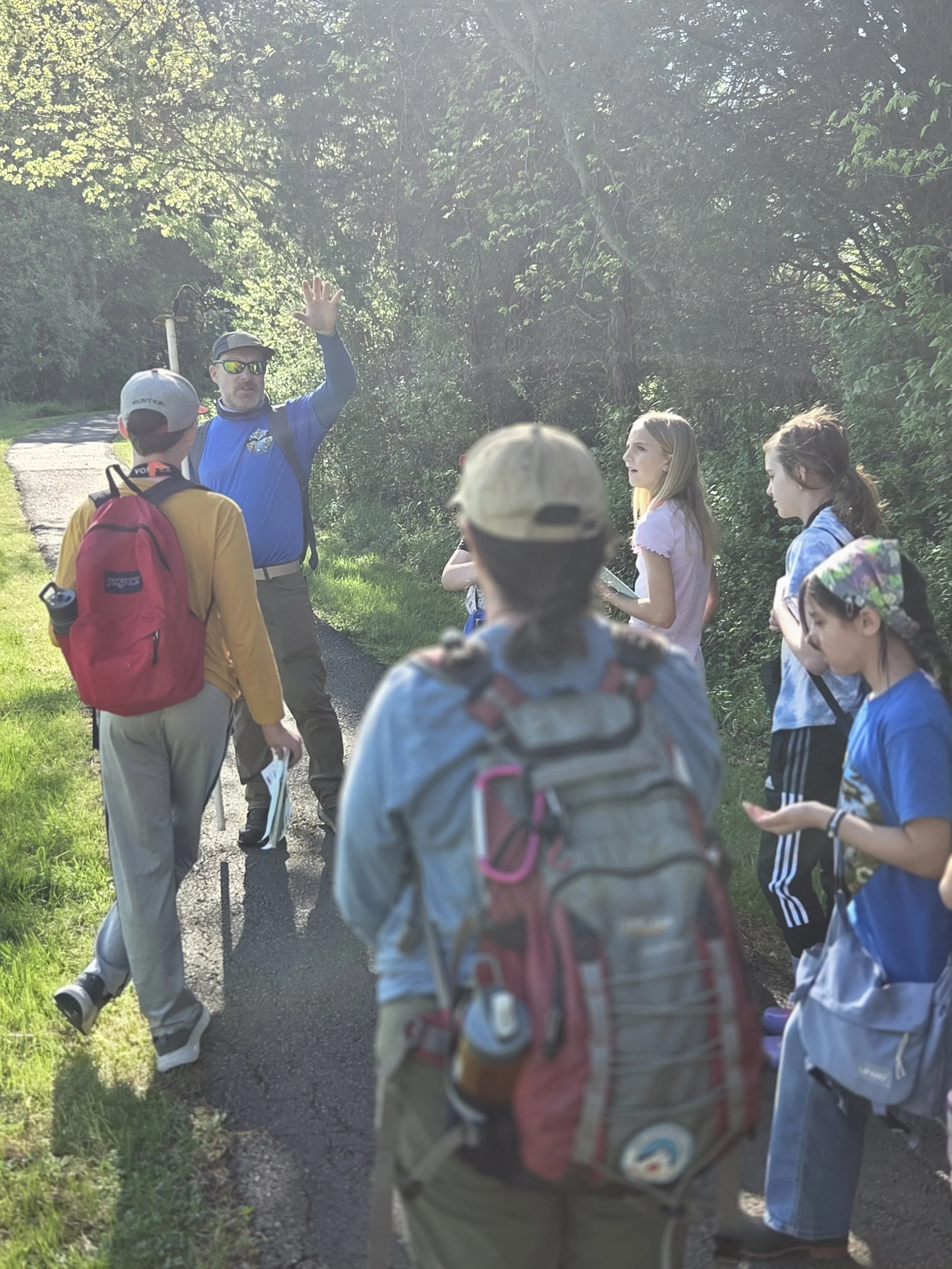
The day started off with a Bird Walk led by our expert guides Colt and Nick. They highlighted many different species as we walked, and they discussed key points such as the difference between bird calls and what those calls can mean. From bluebirds to starlings to crows to turkey vultures, the youth participants learned how birding is about patience and knowing what to look and listen for on the walk. During the walk, the participants also got a chance to see some of the local artifacts including cannons from the different engagements of The Battles of Manassas (Bull Run) during the American Civil War.
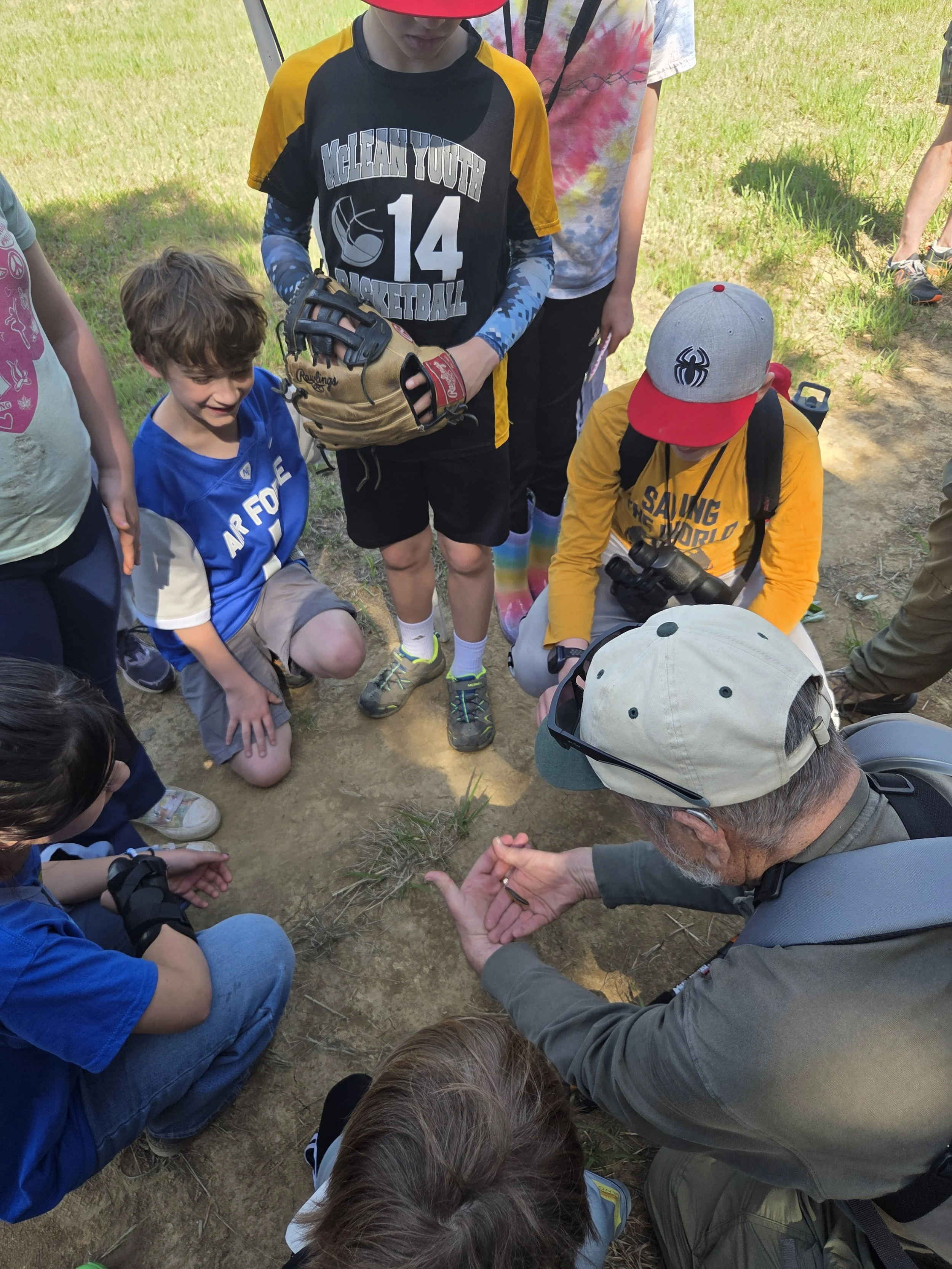
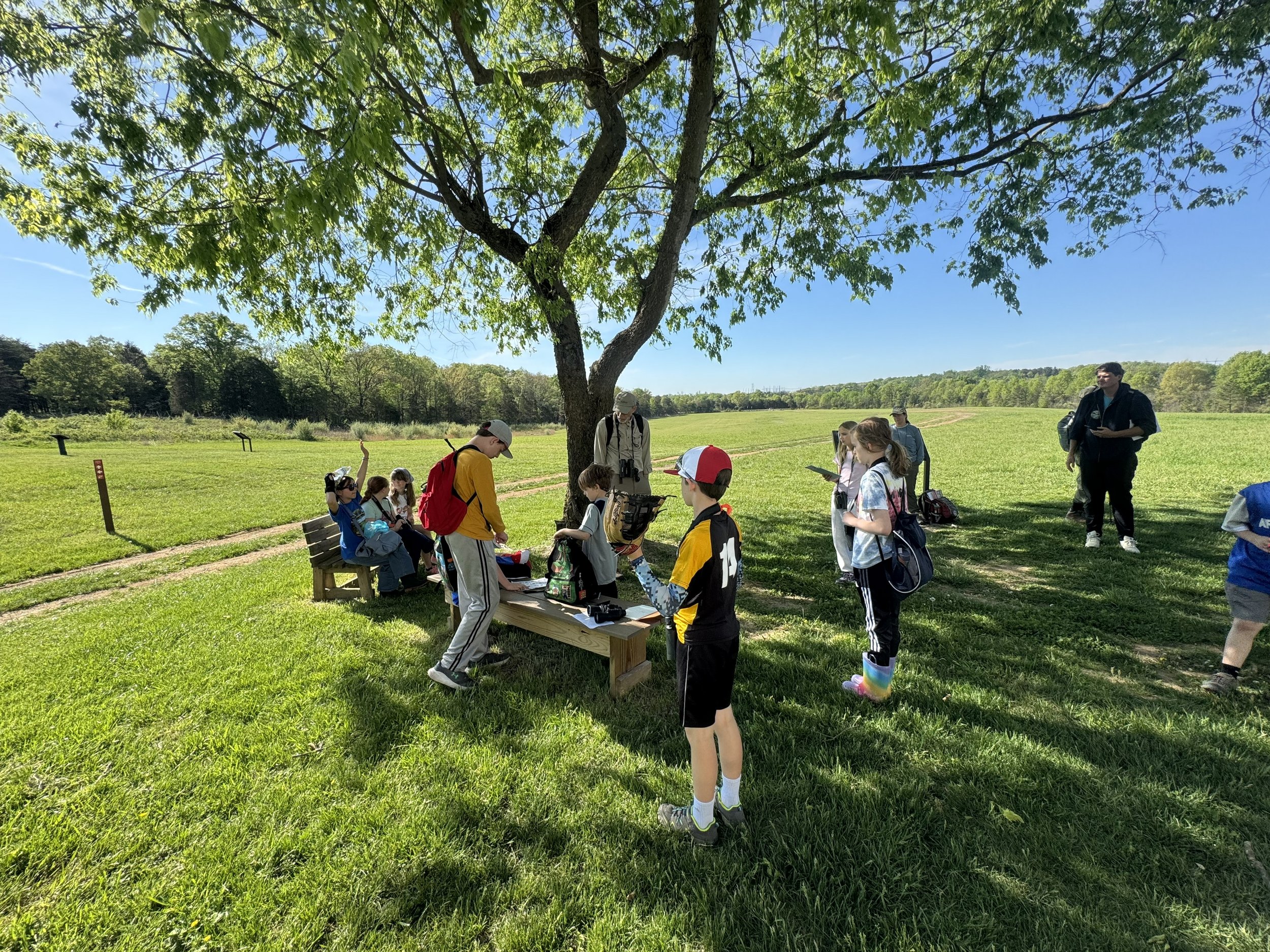
Towards the end of our hike, S2S Director Michael Cohn led the kids to some of the nest boxes which had been installed in the area and led the students in the steps of the Nest Box monitoring protocol, a step by step process to safely investigate a bird box without causing too much of a disturbance to local inhabitants. Participants also learned that not all birds in the park are supposed to be there, such as European Starlings, which often displace birds that are natural to the area. Part of maintaining the network for the American Kestrel is removing starlings from the nest boxes when we find them. While this may seem harsh, the overpopulation of invasive species is a reason why American Kestrels are a species in decline. These seasonal roosts have less food and less habitation for them because of the presence of aggressive/territorial species that are not supposed to be here.
Mike recounted one of his favorite stories during his past experience maintaining the network. He once had a chance to watch a lone American Kestrel fend off attacks on its nest box from both starlings and crows over a period of 30 minutes. The American Kestrel, while a smaller raptor, has a spunky personality, and will defend its home from those who try to invade its territory!
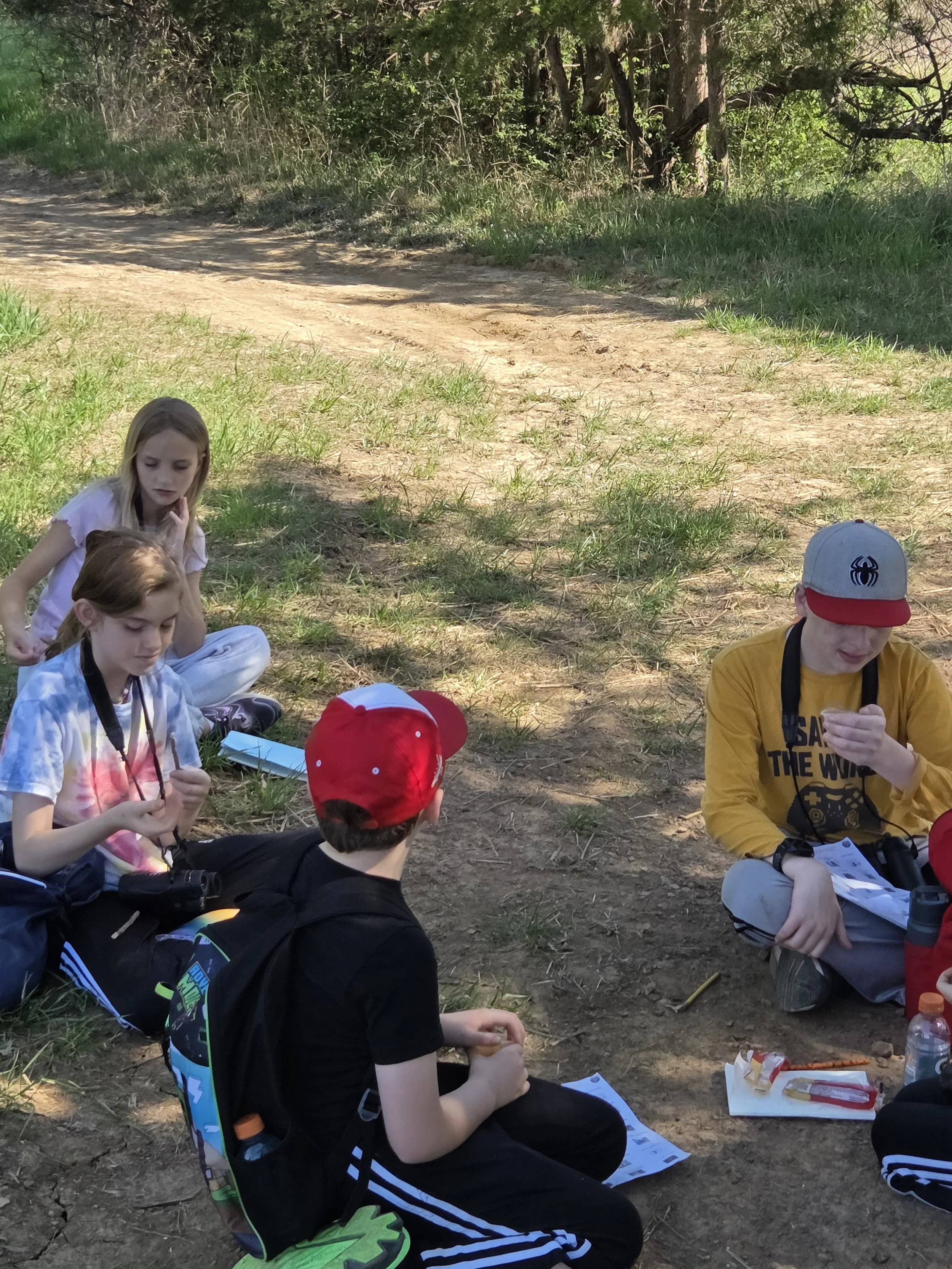
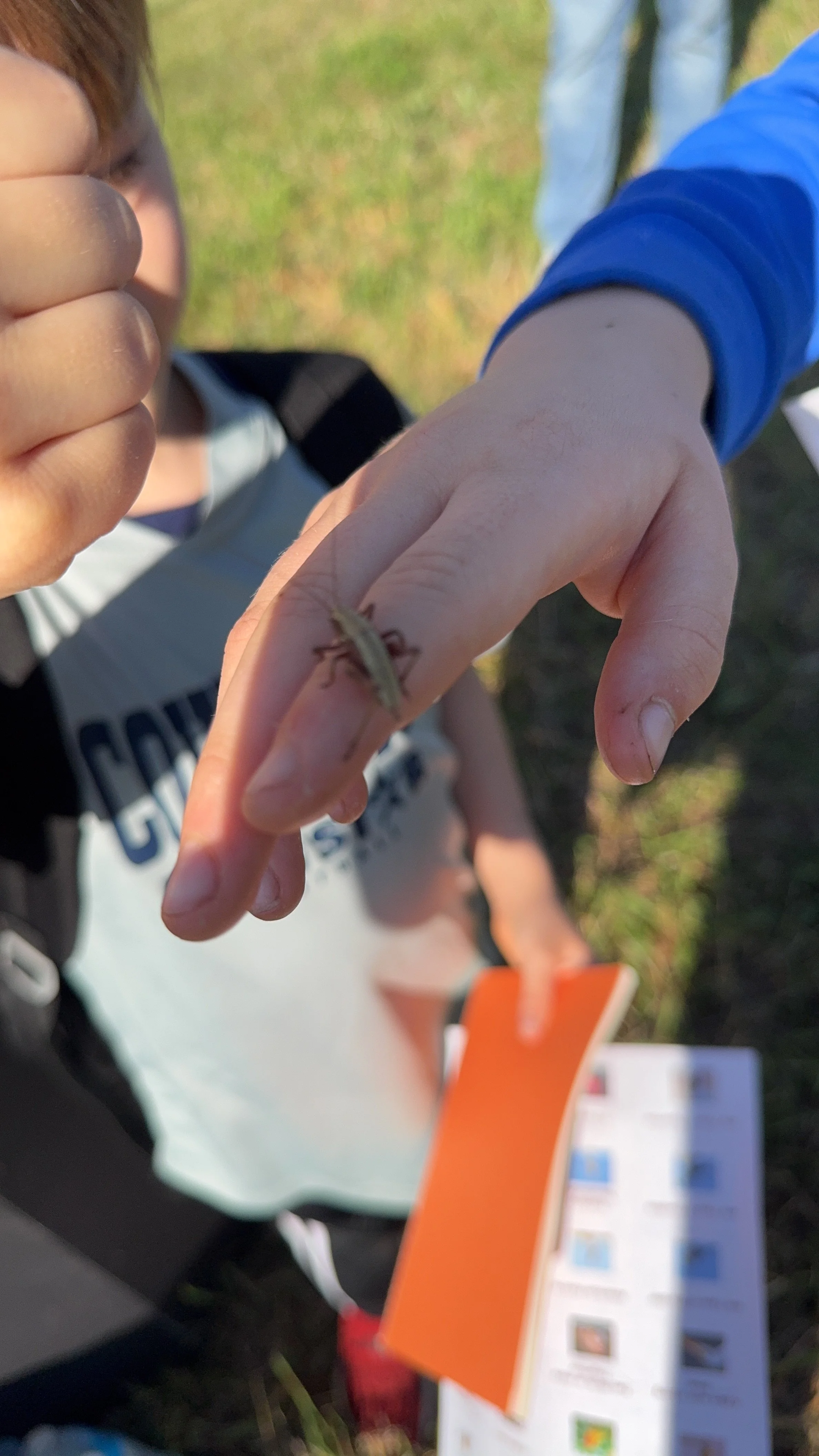
Take a look at some of the photos and a video from Module 2! We were lucky to have another beautiful day for our bird walk, and we are hopeful the weather will continue to hold for the remainder of our modules this Spring and early Summer. Our next module is in a forested area of Manassas for National Citizen Science Day, and we encourage you to stay tuned as we make our posts!