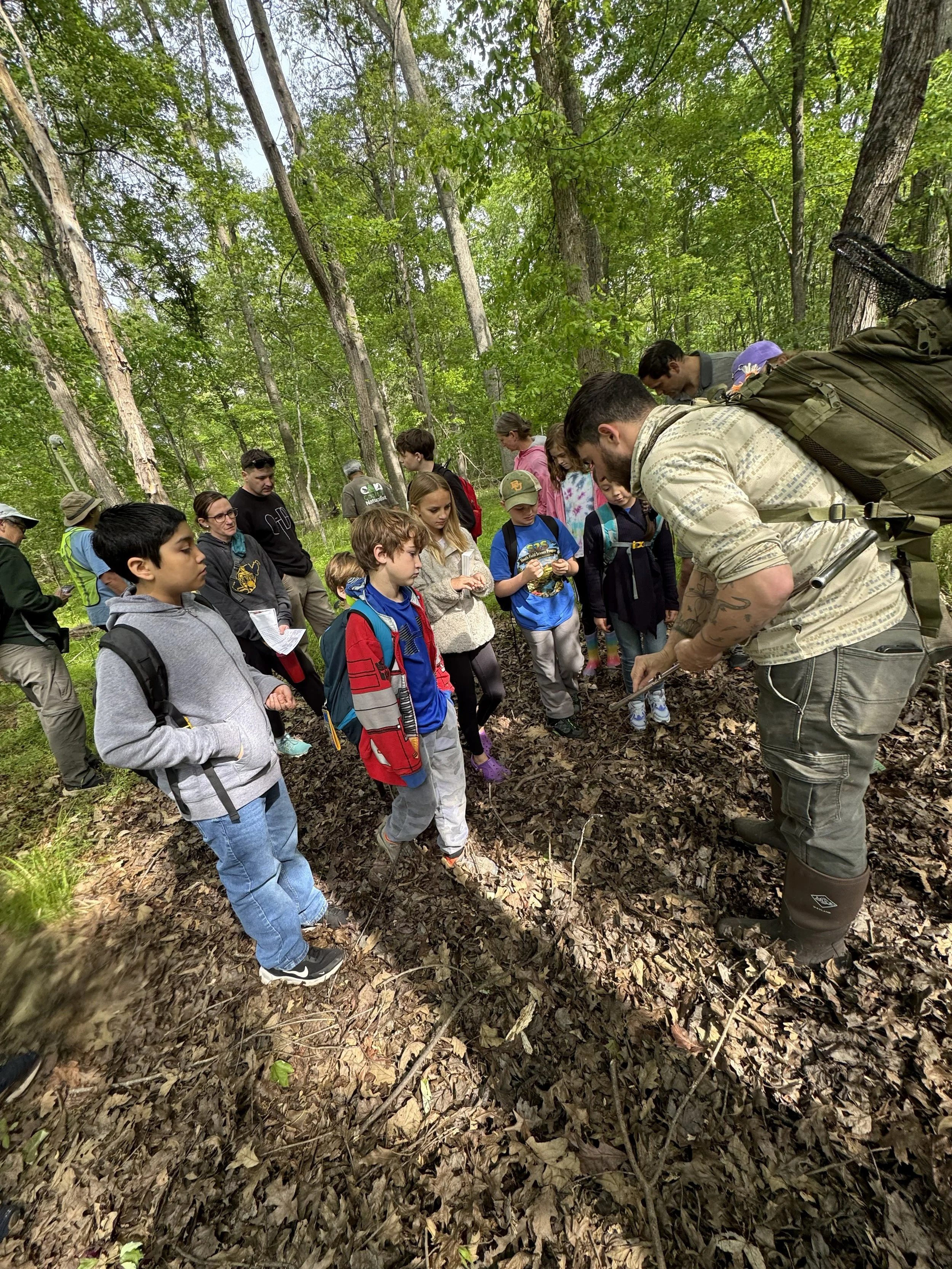
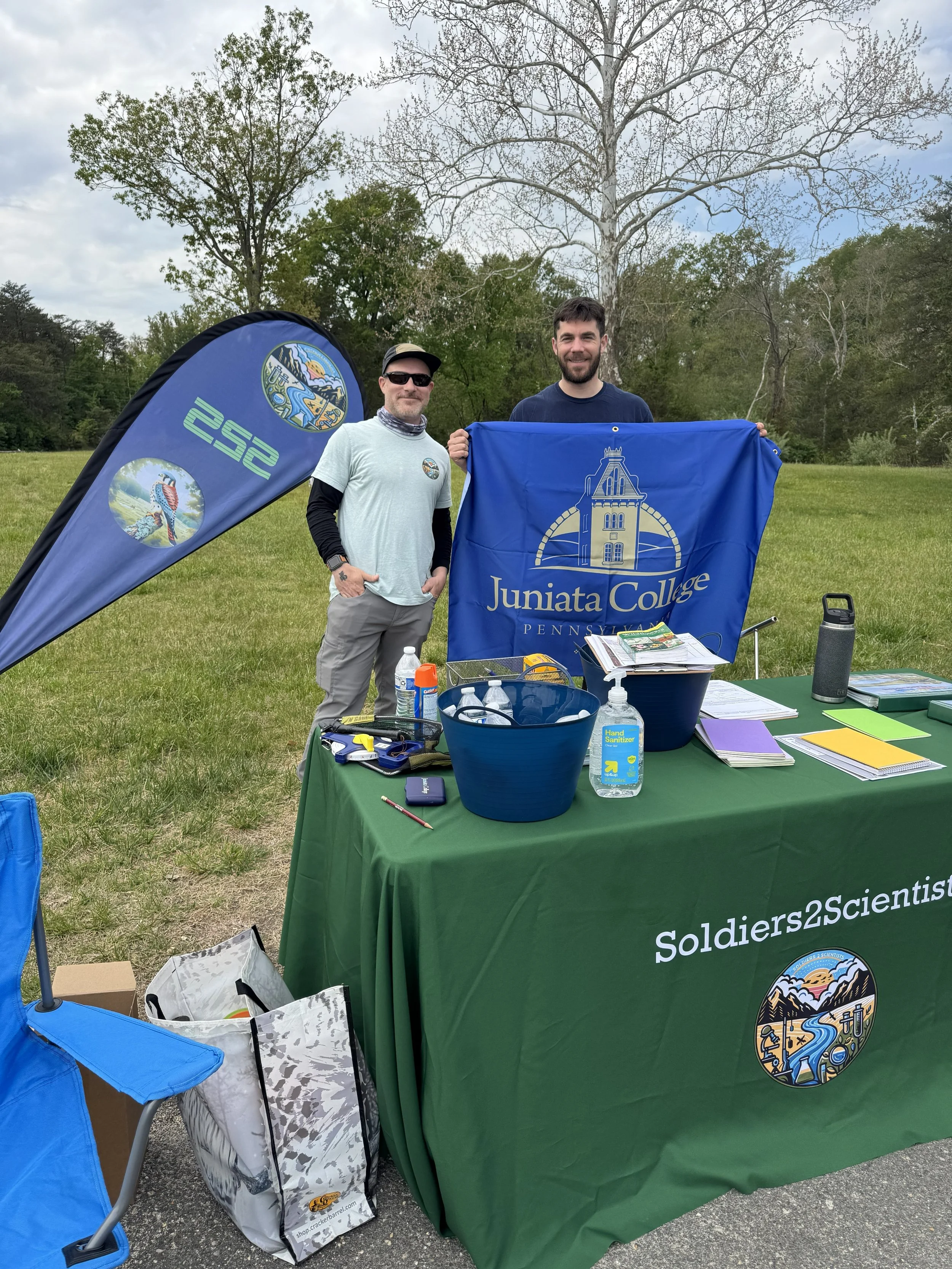
S2S Military Youth Cohort Digs In! - Herpetology, Soil, and Wetland Science for Module 4 at Stonebridge, Manassas NBP!
The S2S Youth Cohort gathered together for another day of discovery at Manassas National Battlefield Park. The team gathered at Stonebridge in Manassas to search for salamanders and study local landscapes and vernal pools! As we’ve discussed, our modules are moving across the landscape, from upland grasslands, to forested and riparian spaces, and now to wetlands. This helps showcase the diversity of the park AND expand the species we can discover and document.
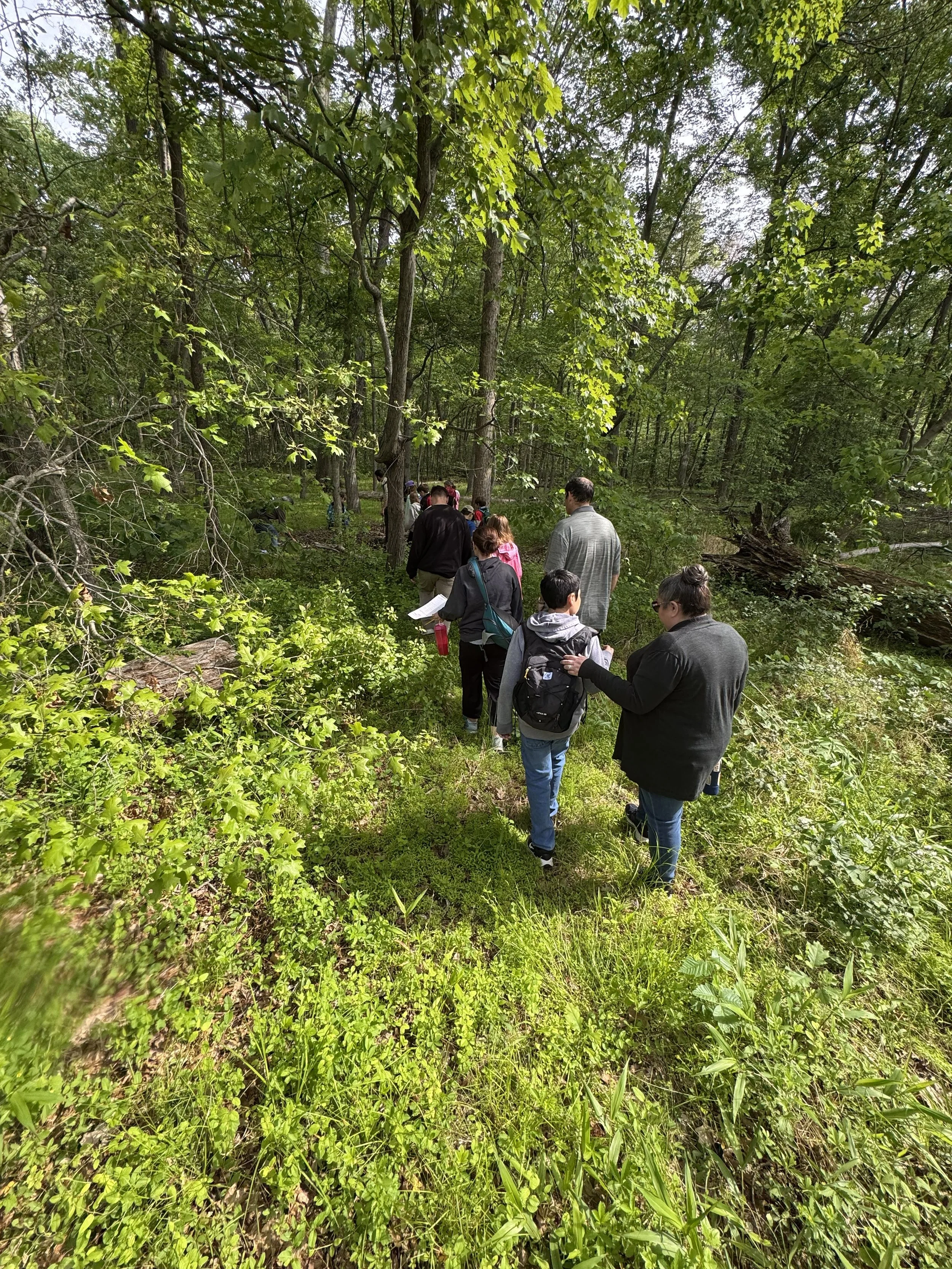
Our Park Spies-in-Training met at Stone Bridge on Saturday to learn more about what a wetland actually is and how it differs from other parts of the landscape. Studying the nearby vernal pools and main floodway in the park, we continued to practice our Zoom-In/Zoom-Out skills, analyzing soil and water samples and connecting these to larger environmental, wildlife, and temporal dynamics.
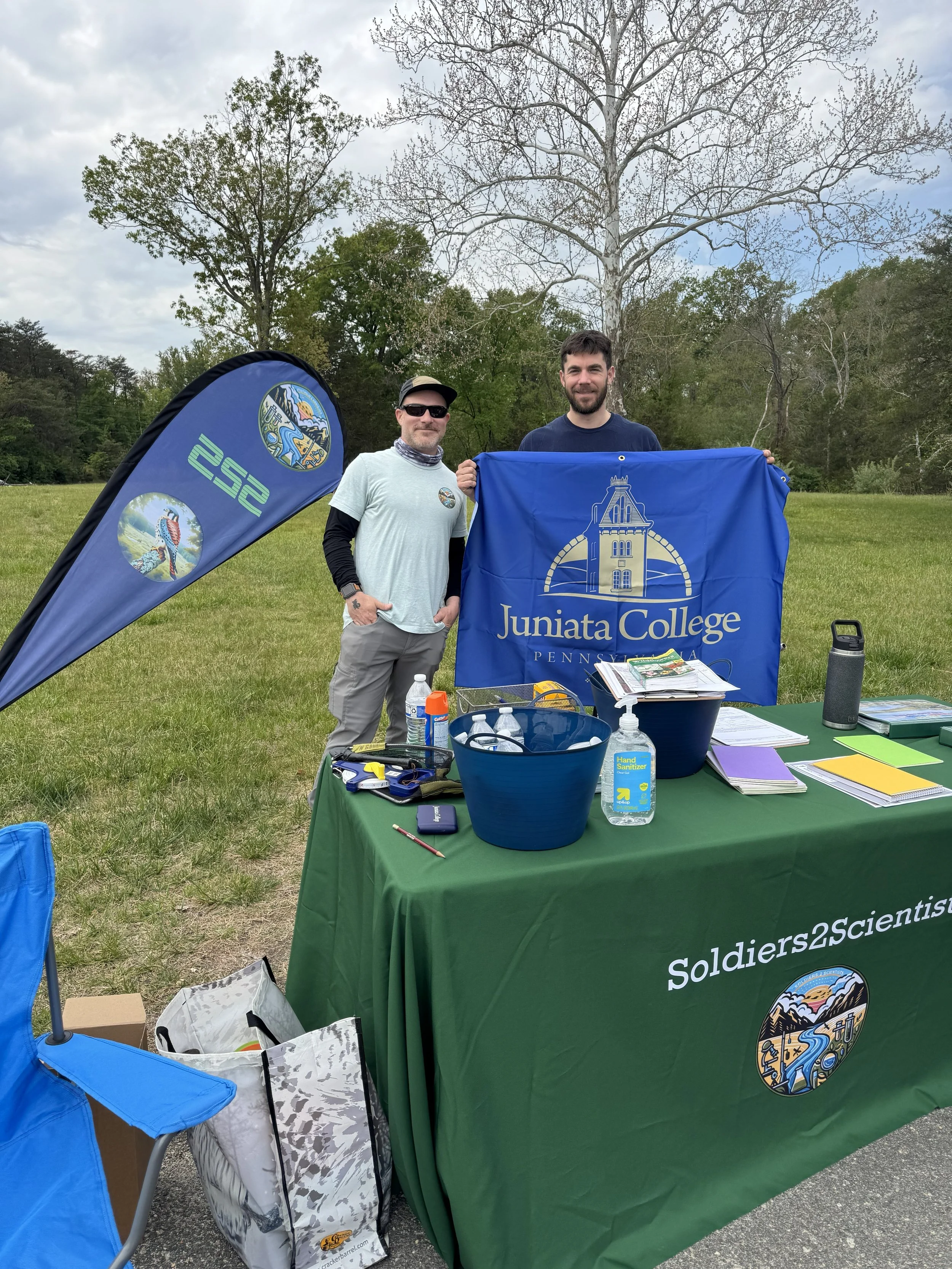
As always, handouts and educational materials were distributed to the team members in addition to supplemental resources such as scavenger BioBlitz forms and other equipment necessary for the day!
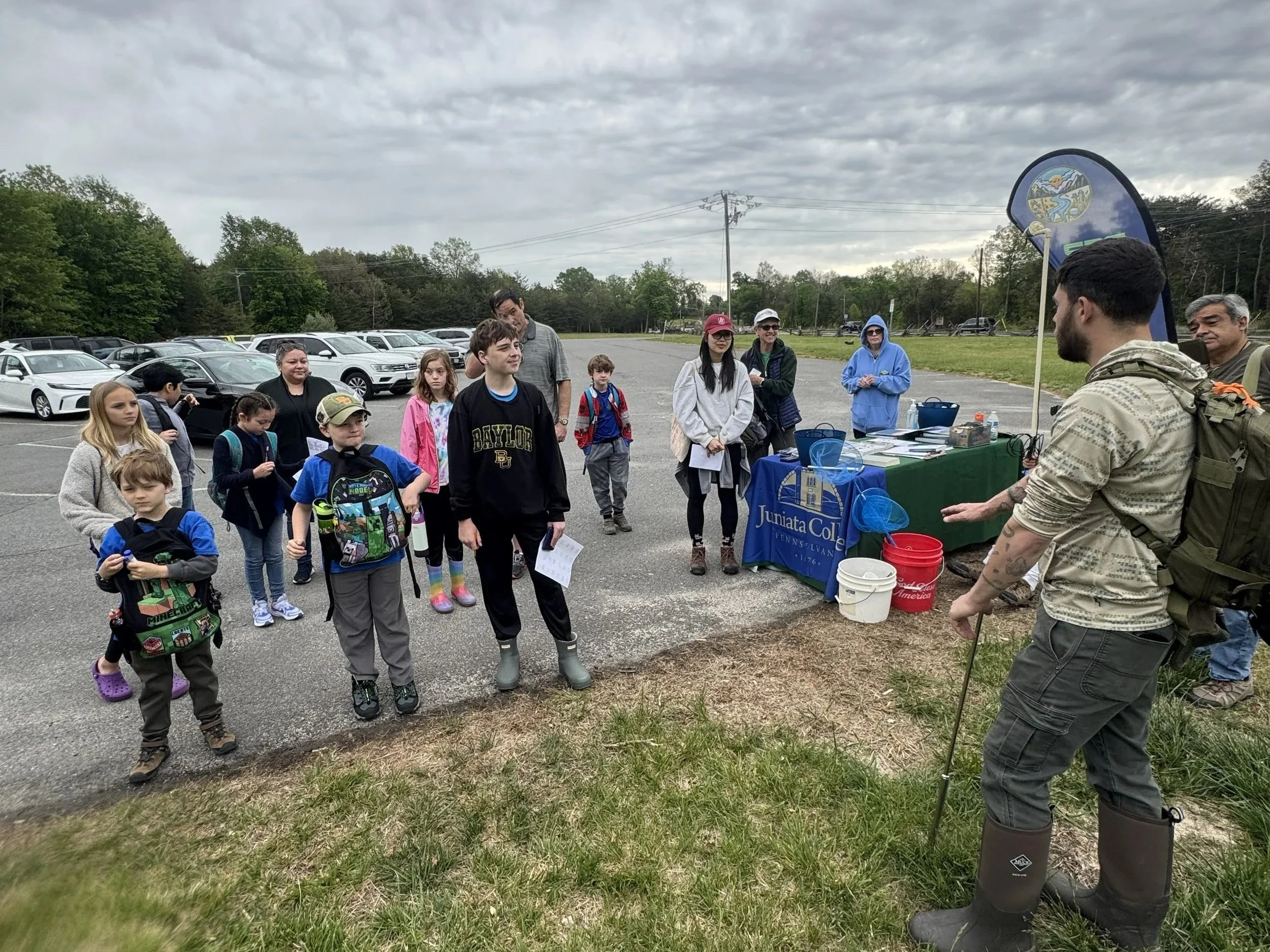
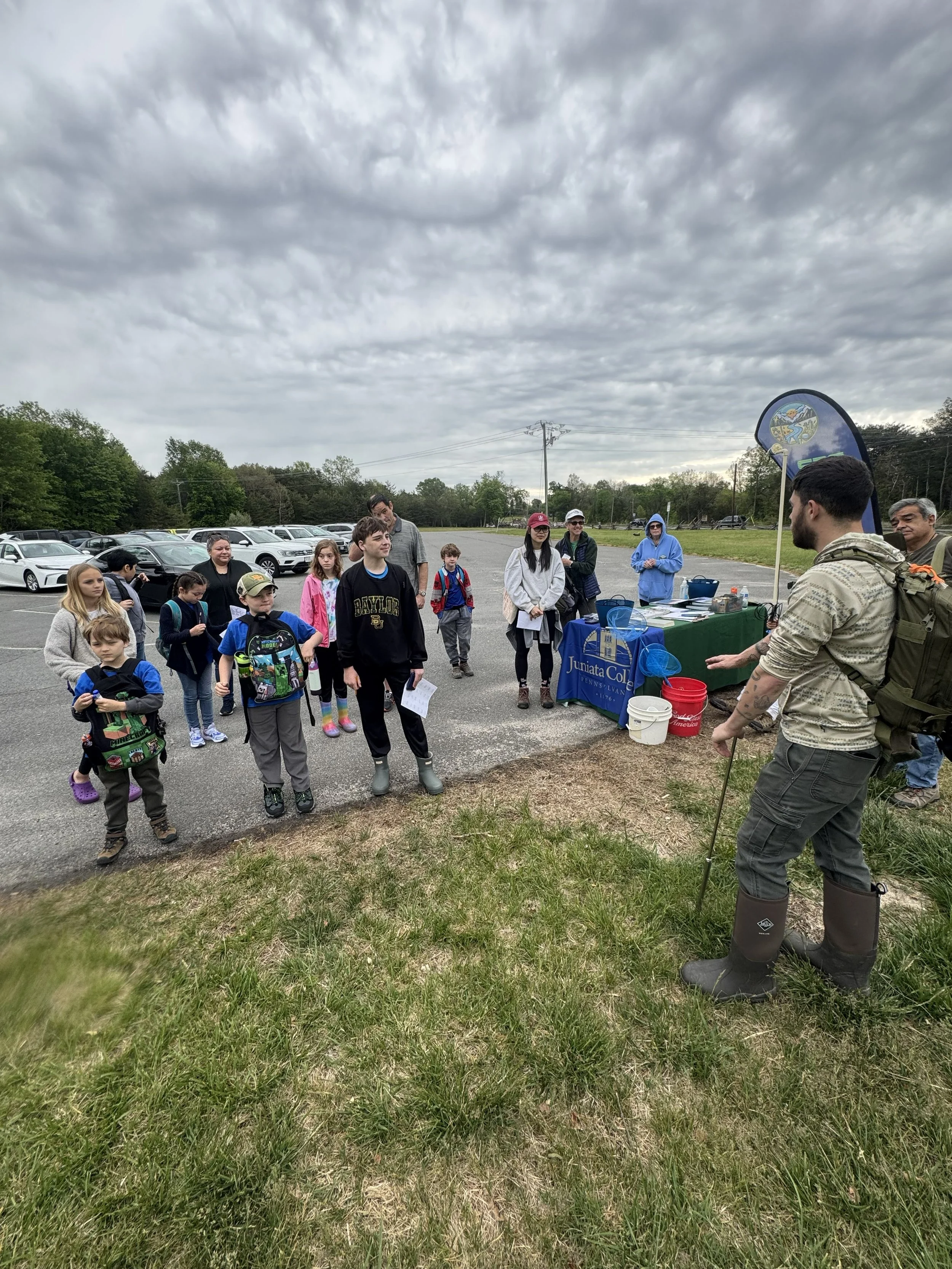
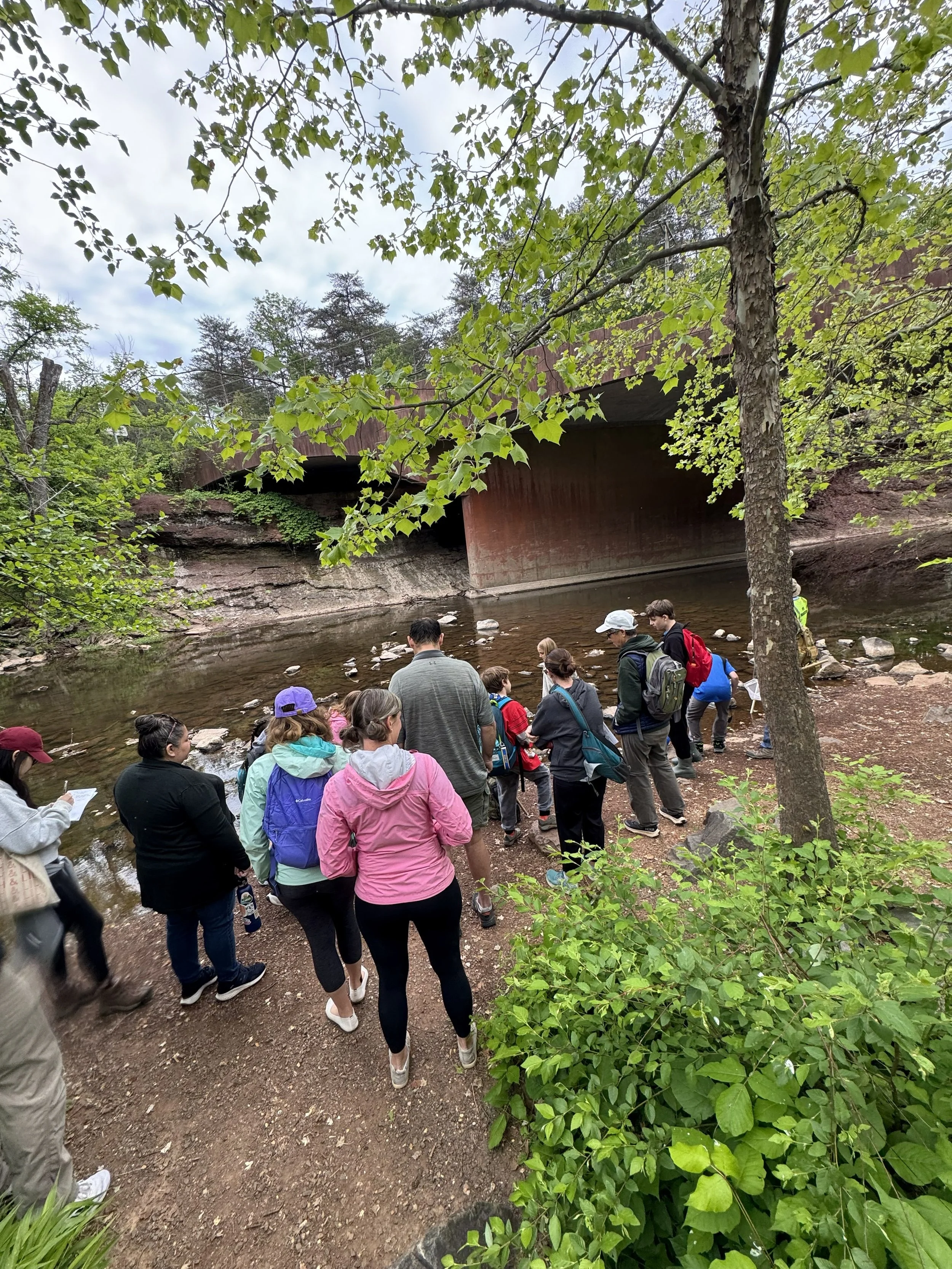
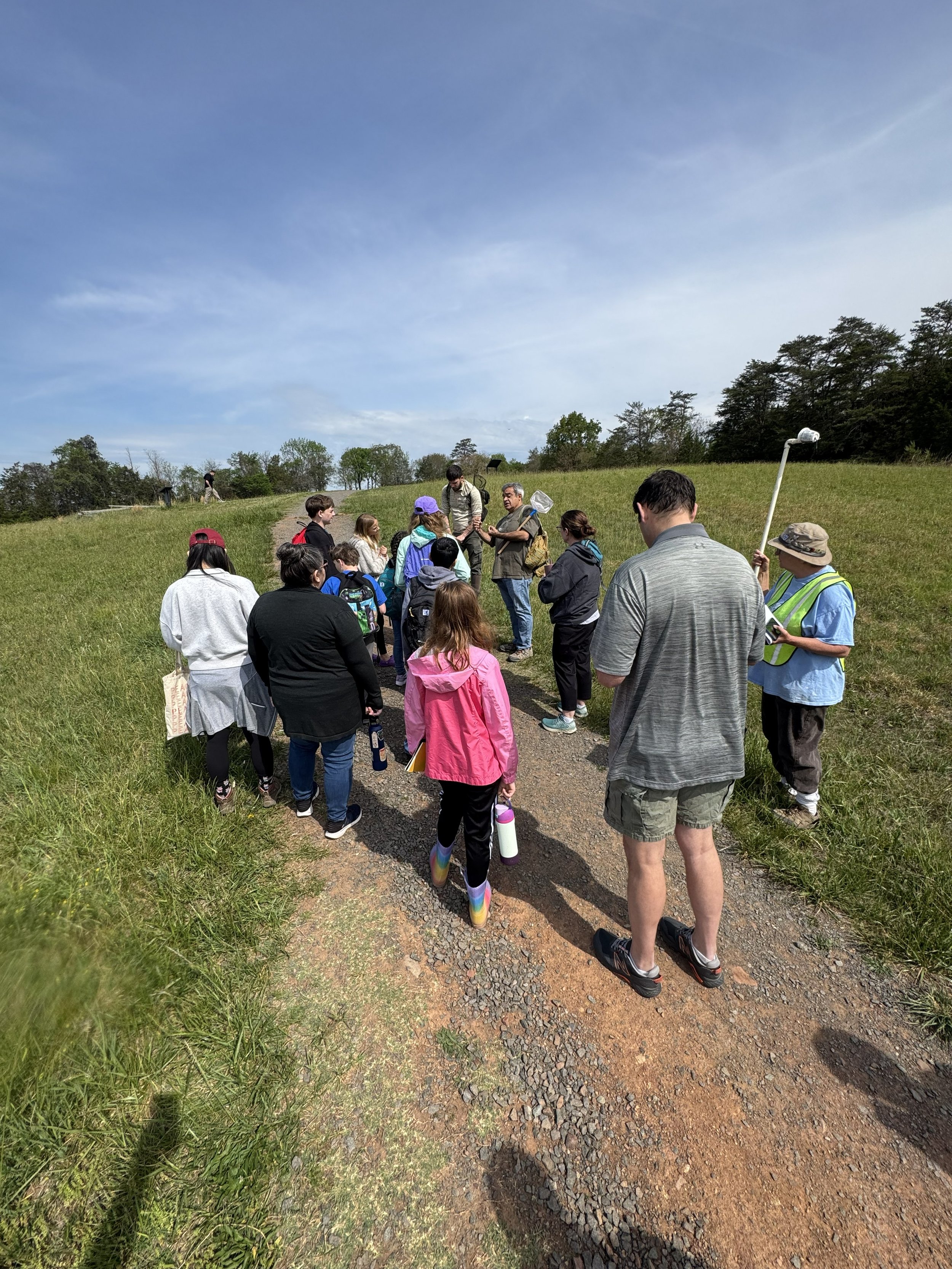
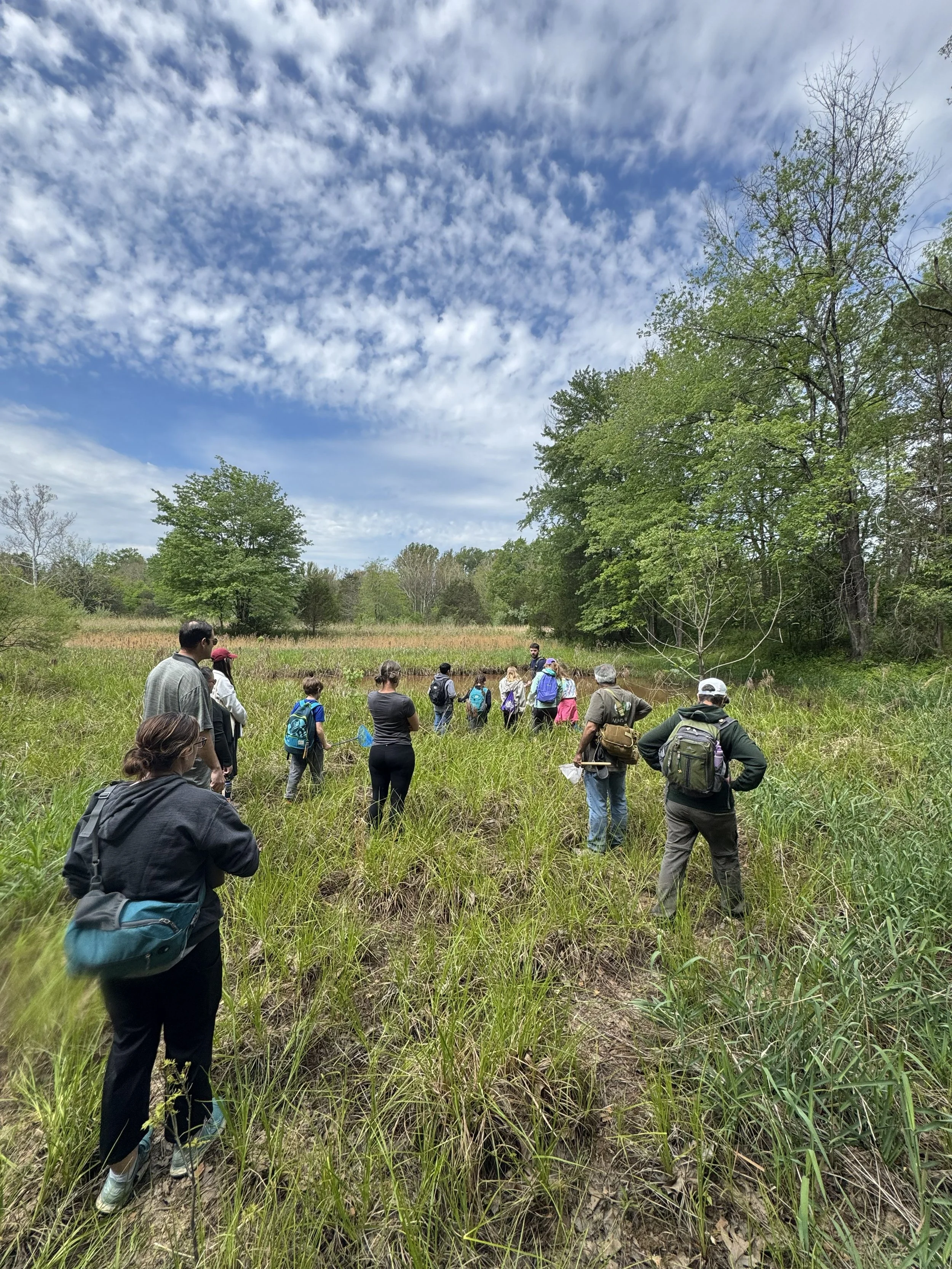
The S2S Cohort gathers nearby Stonebridge.
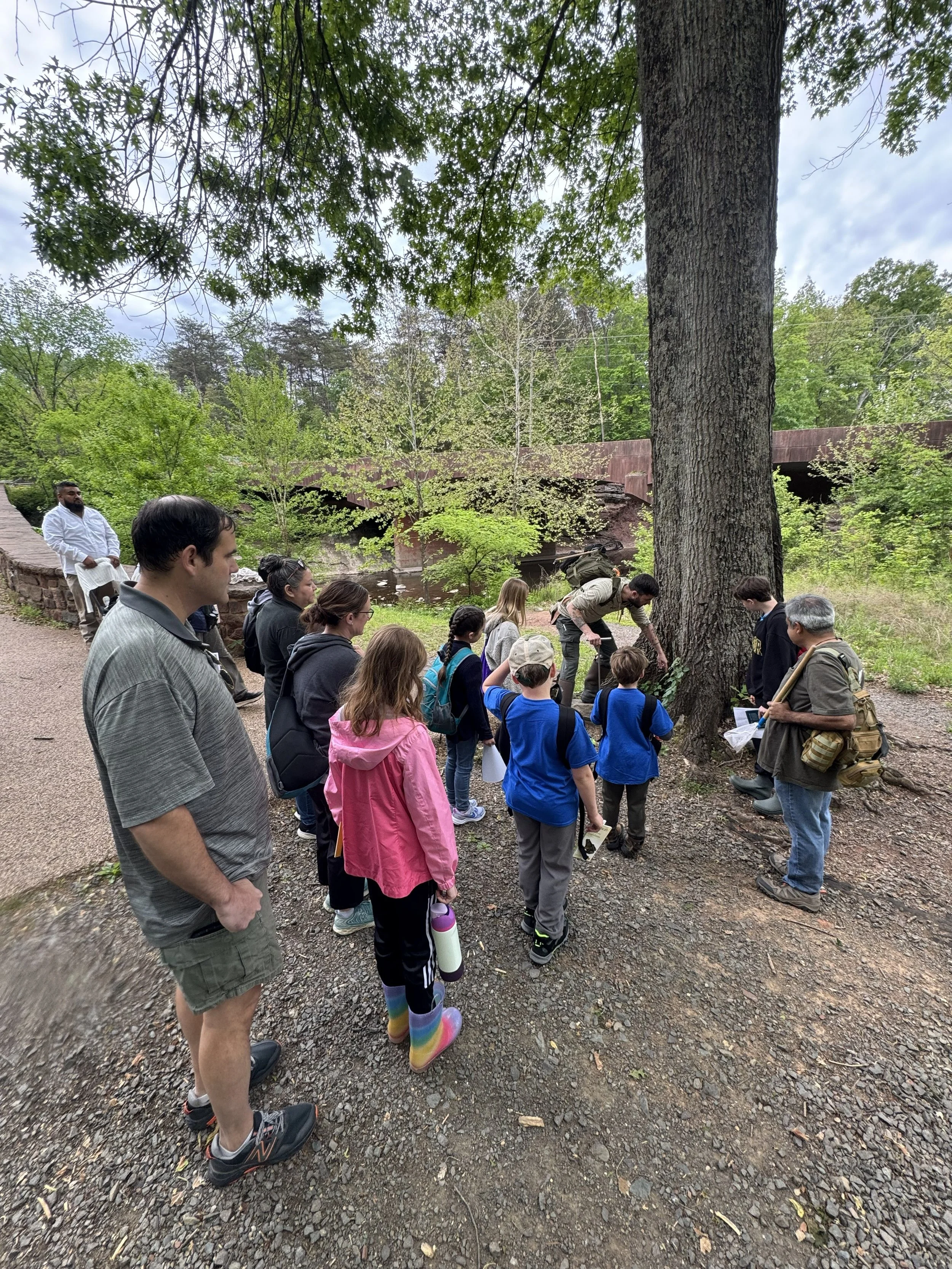
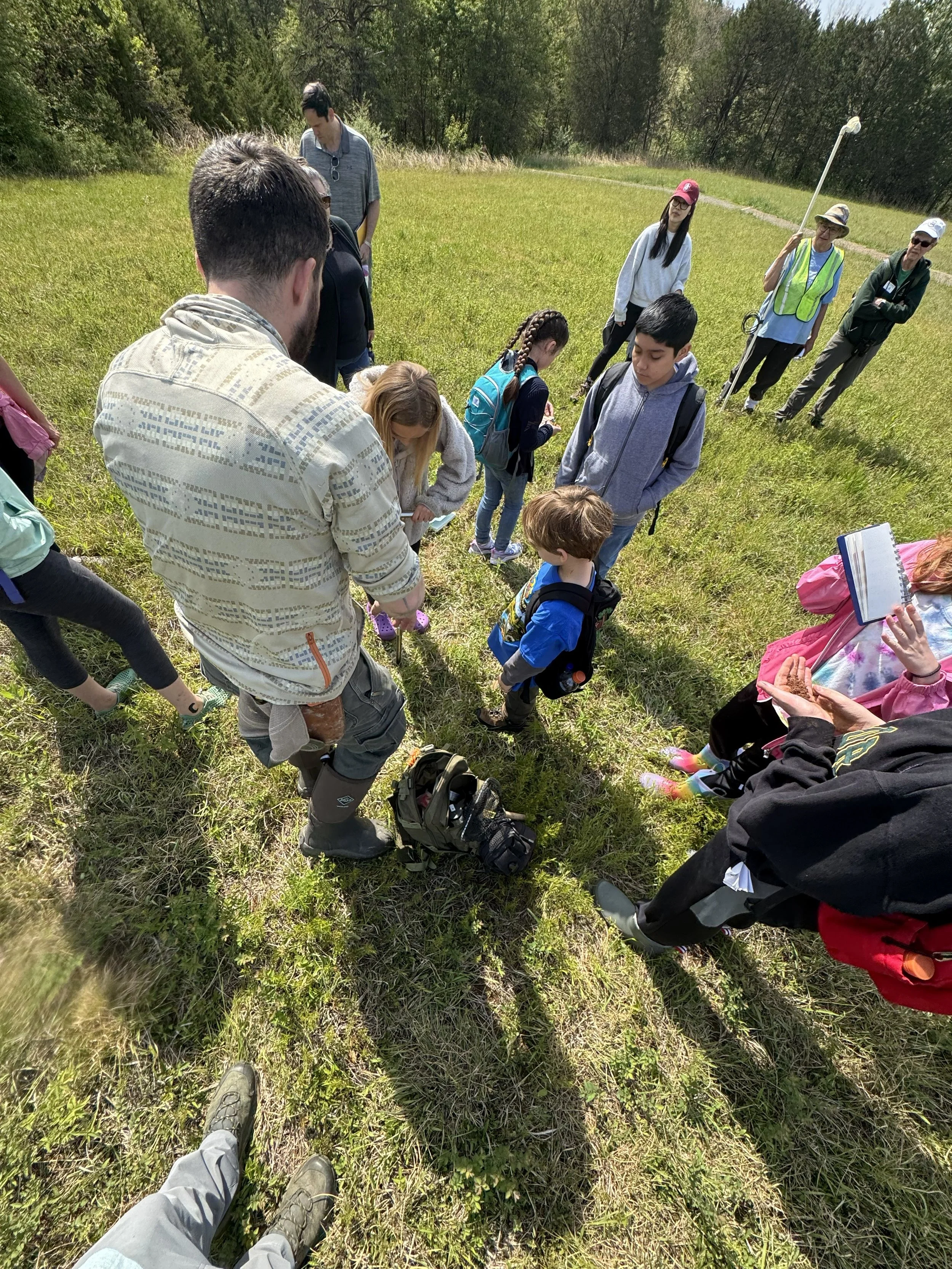
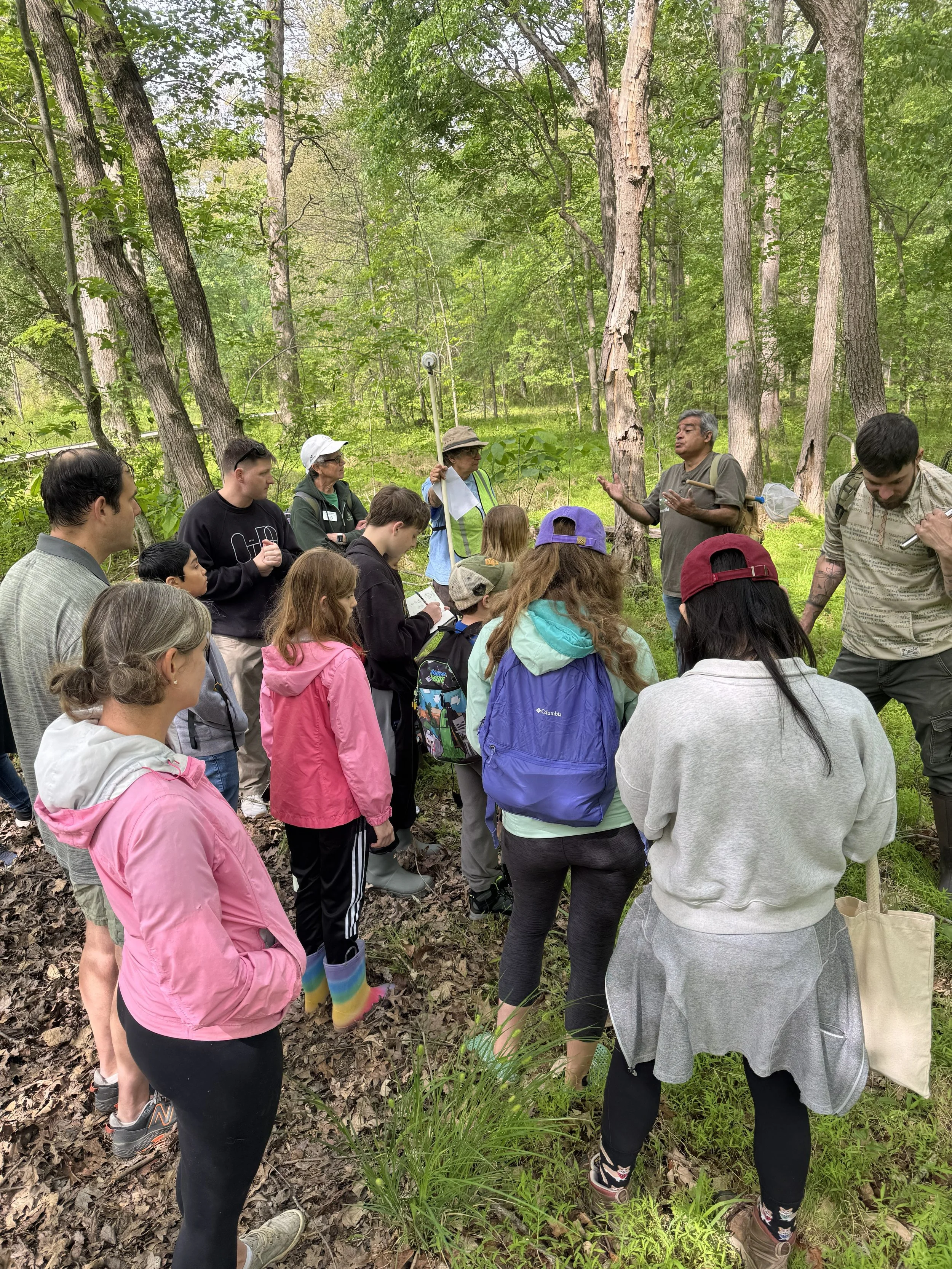
We were led by the extraordinary expertise of soil and wetland scientist, Juniata College professor, and Navy veteran, Taylor Blackmen along with Capital Naturalist and master herpetologist, Alonso Abugattas. Our guides taught us more about native plants and their uses in medicine and tool-making and how to sample, measure, test, and assess various types of soil and water. They also helped us to better understand the differences in soil context across grassland to wetland, and honed our species targeting methods, as we identified a range of aquatic macroinvertebrate, frogs, crayfish, insects, and yet another snake! We also got to try out more cool scientific equipment.
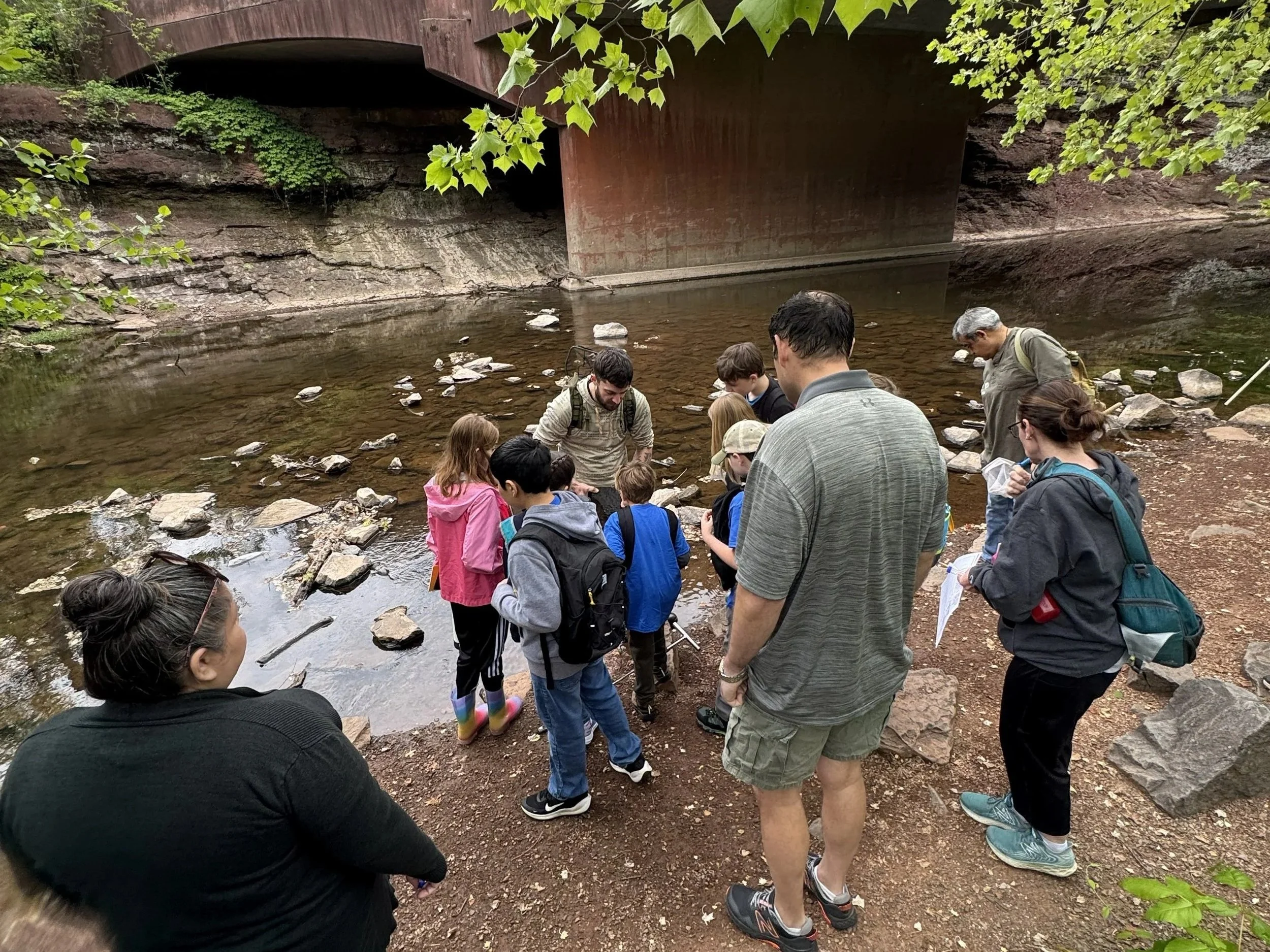
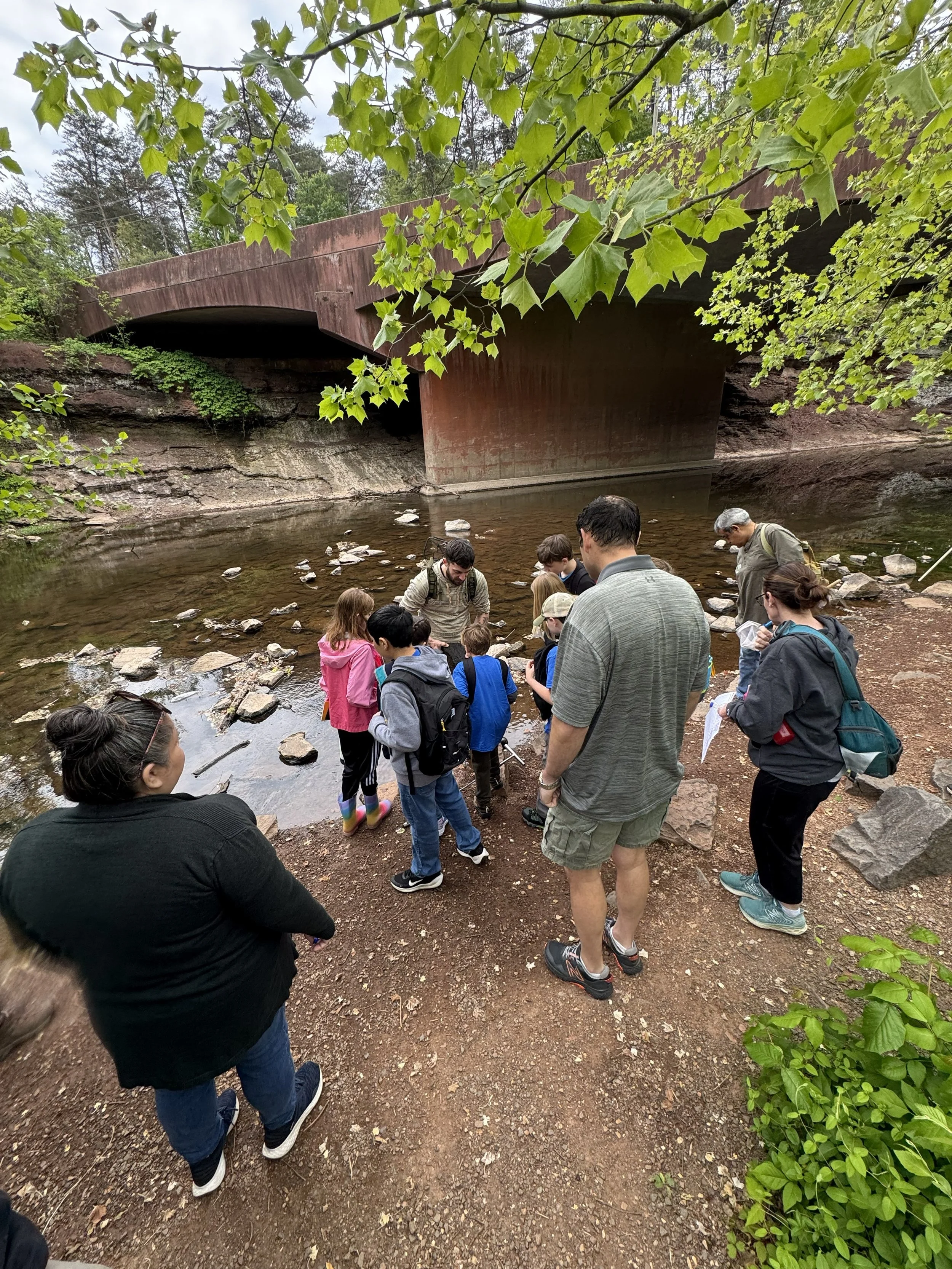
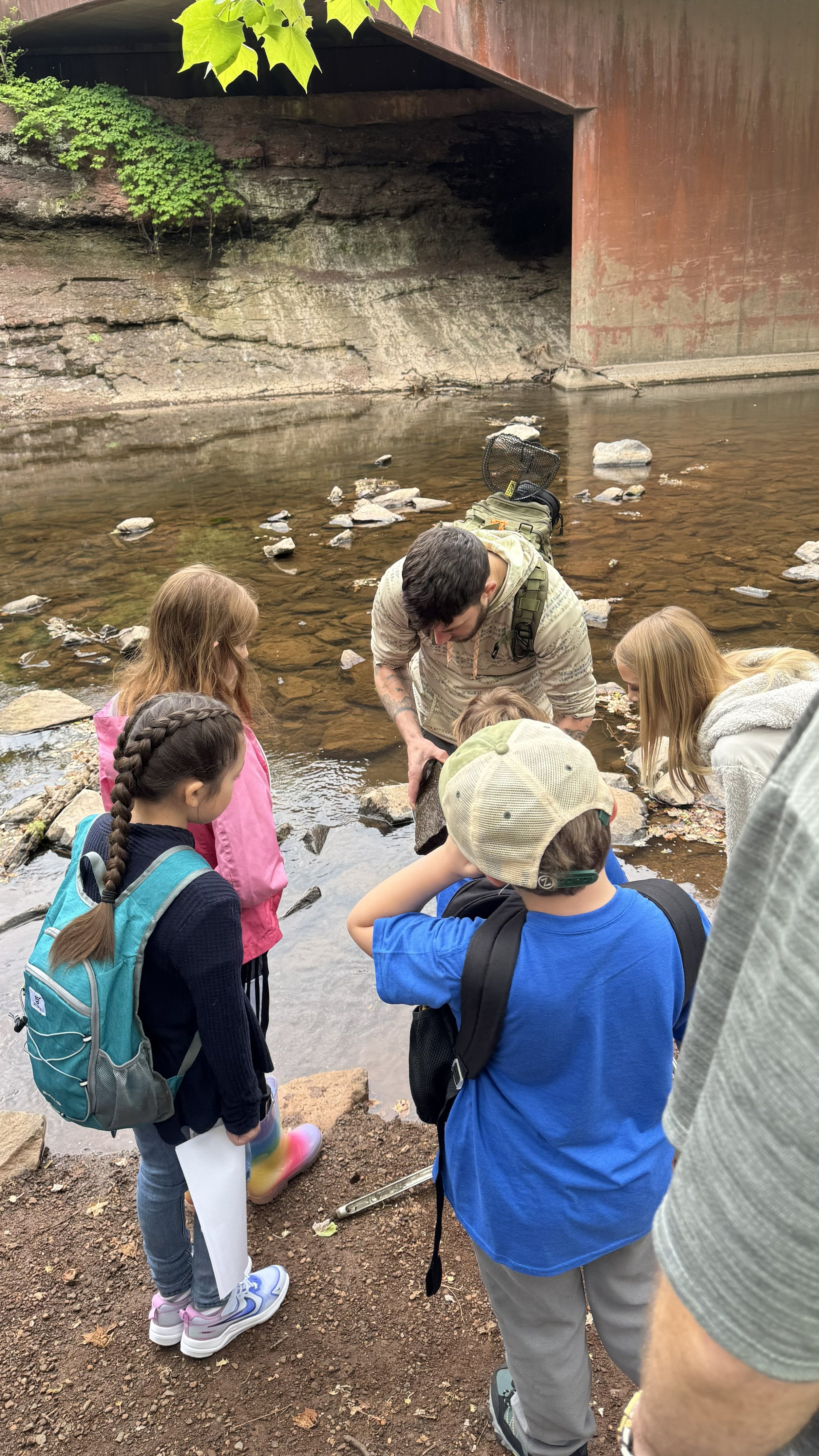
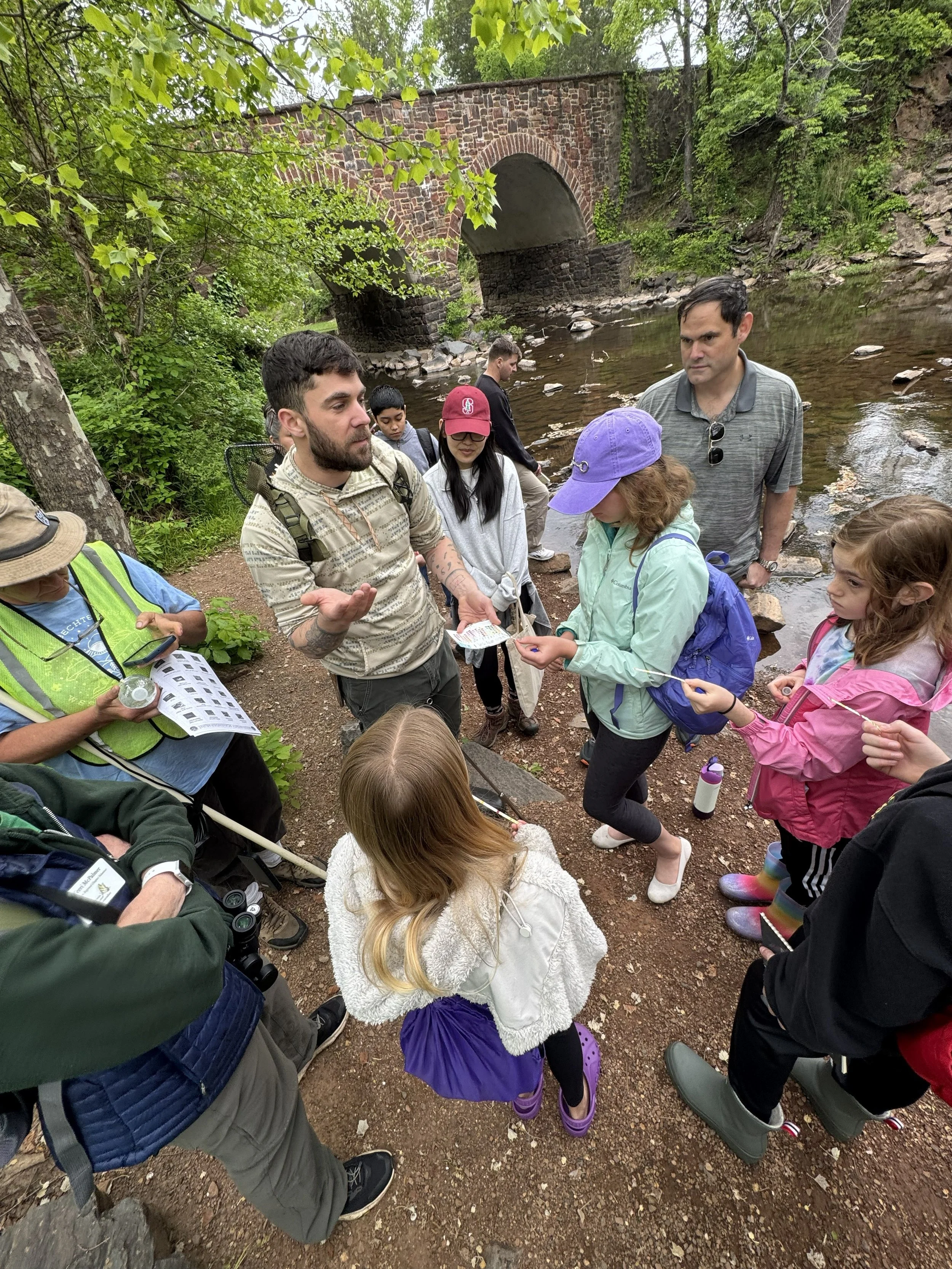
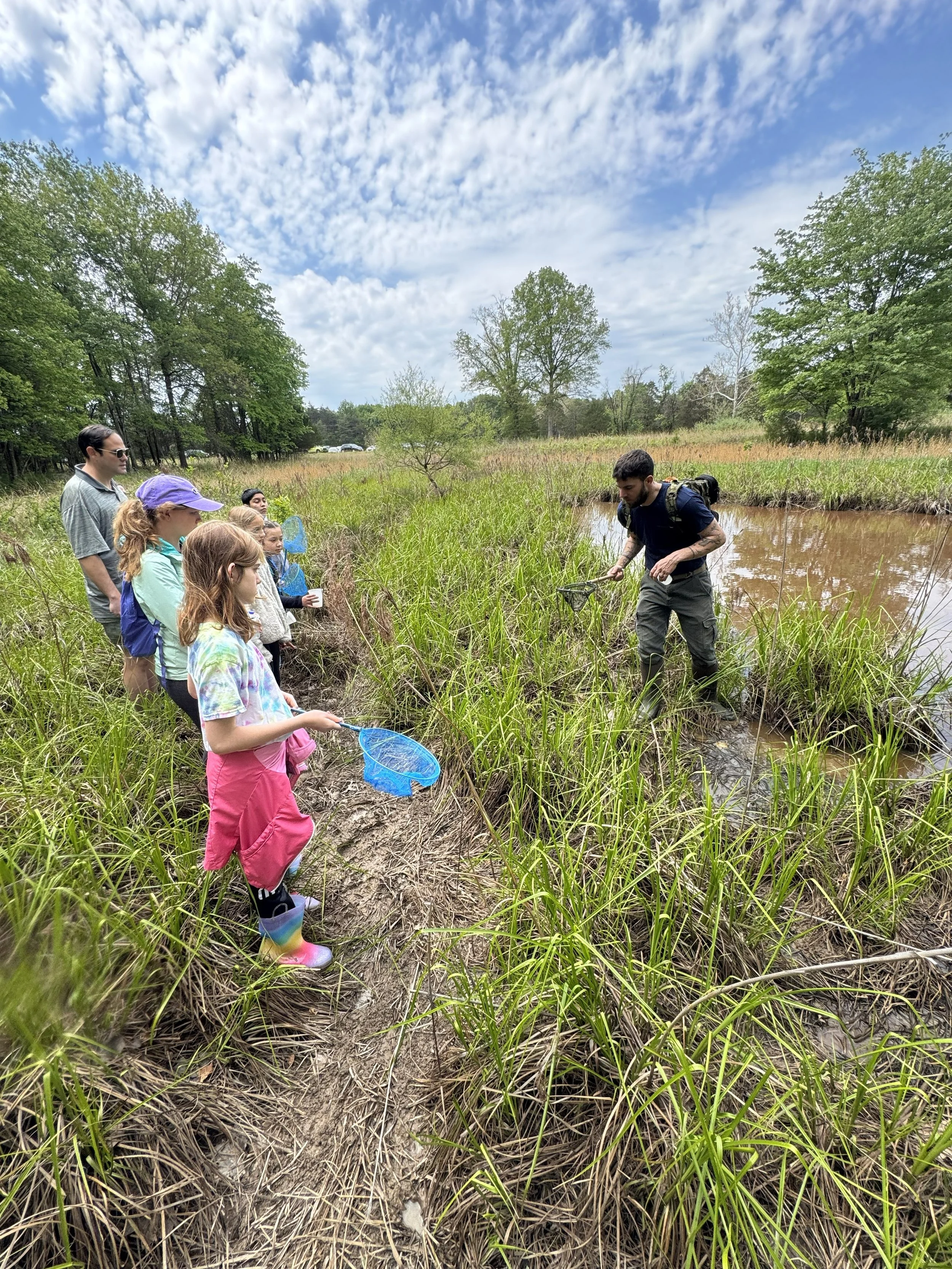
The team studies near the river bed as Taylor discusses various topics and prepares them for a water quality assessment!
Finding cool creatures is always a big part of each module, and as we move on to Module 5 next session, the team is excited about fishing and studying macroinvertebrates at a major pond here in Manassas. As the cohort members learn about each type of environment here at the park, S2S continues to remind them about essential skills taught in previous sessions, such as the major principles of Field Science. Some highlights include remaining quiet, being observant and using your five senses, and leaving everything as you found it to protect the natural habitat.
In each module, Youth participants are presented with foundational science principles, from analog nature journaling, to BioBlitz observations, to the Water Quality Assessment during Module 4. These basics help them to appreciate a broader approach to field science that can be replicated at a low cost. Our goal is to encourage these Youth Members to see field science as both fun and easy to do. In many ways, while park scientists and rangers carry with them a depth of knowledge and training, some of their day to day responsibilities are quite similar to the foundations being presented to Youth Cohort Members. Our Young Researchers are getting great exposure to what the life of a field scientist might look like!
We look forward to Module 5 - Aquatics, Macroinvertebrates, and Fishing - and we hope the weather continues to hold as it has for each of our modules! Thanks for your ongoing interest in our Youth Field Science Program! If you have any questions, or would like to learn more about this and other S2S programming, please email us at soldiers2scientists@gmail.com! or browse our website!
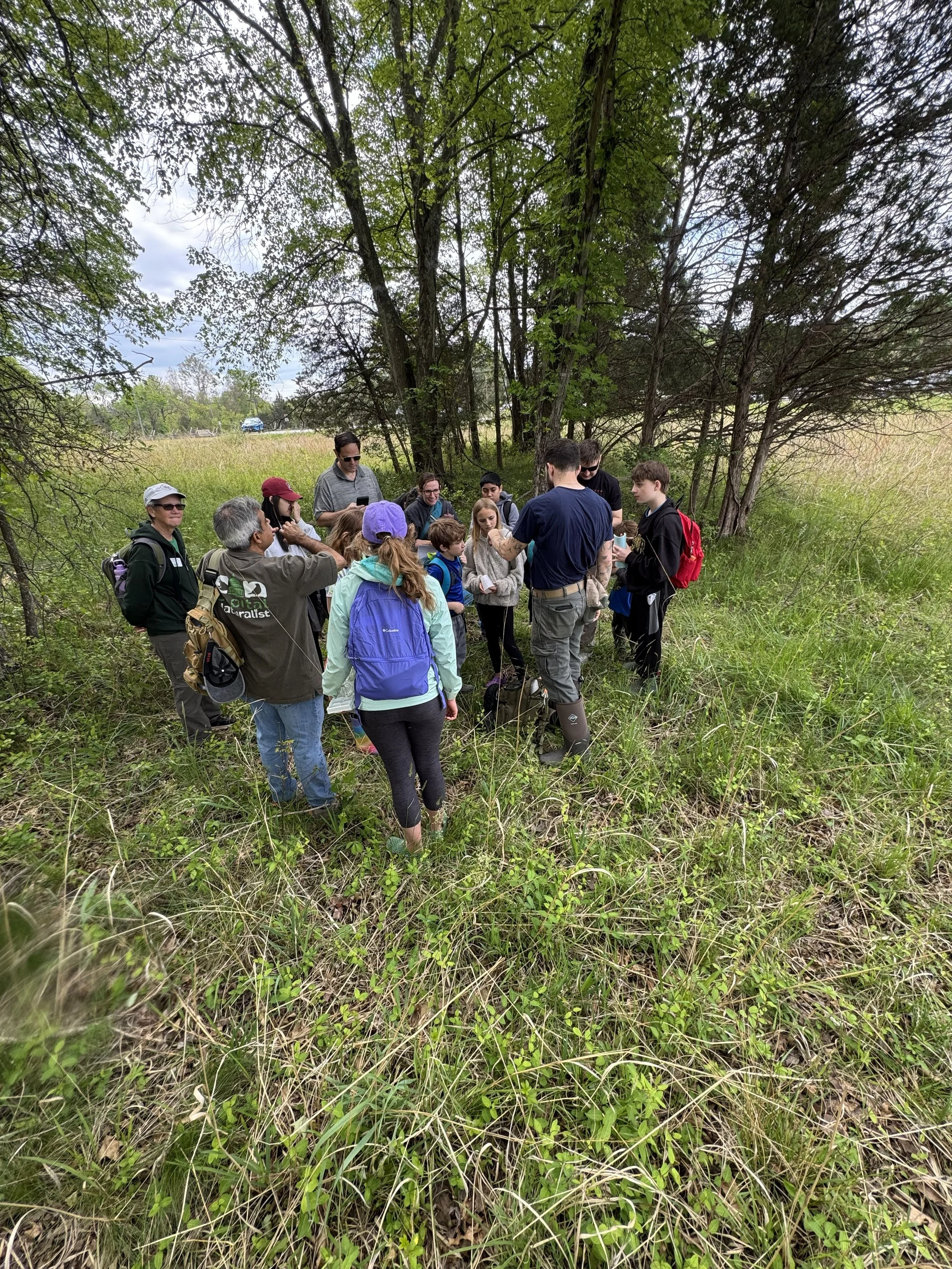
Check out some more photos below and stay tuned for more posts!